
Beach Essentials for Toddlers and Kids — Comfort, Fun, and Safety for the Ultimate Family Trip
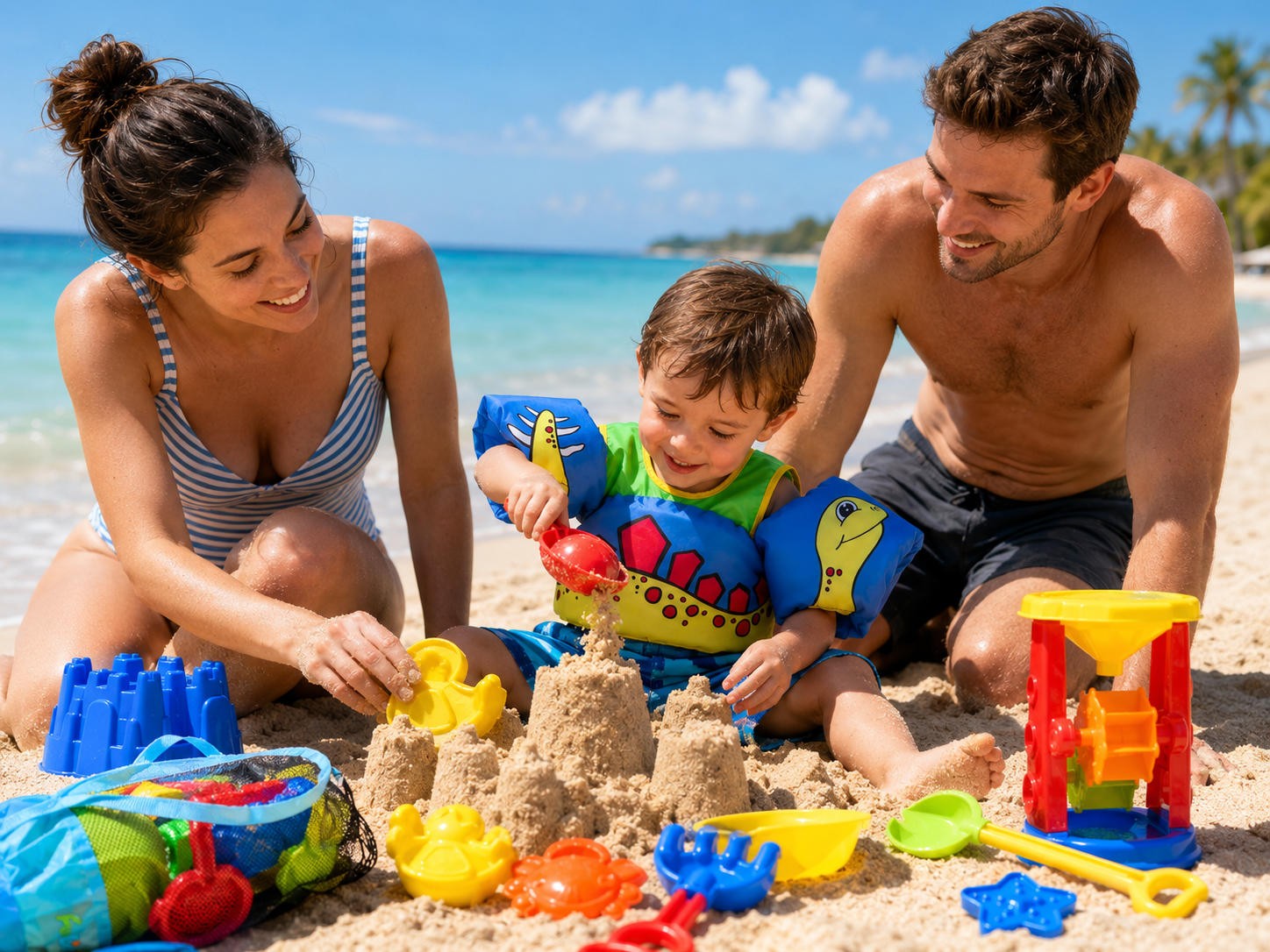
You've got the sunscreen. You've got the swimsuits. But somehow every beach trip with kids still ends with a meltdown over hot sand, a soggy snack situation, or a toddler who refuses to nap until 9 pm because they never wound down.
A smooth beach day with kids isn't really about luck. It's about packing a handful of items that solve specific problems before they happen. This guide covers sun-safe clothing, entertainment, safety gear, snacks, and nap-time solutions for beach essentials for toddlers and kids, organized so you can find what you actually need without scrolling past fifty unrelated products.
Where a product genuinely works well across ages, there's a single pick. Where toddlers and older kids need different things, you'll see two options, because what works for a 1-year-old rarely works the same way for a 6-year-old.
Quick note: This post includes affiliate links. If you buy something through my links, I may earn a small commission — no extra cost to you, ever. It's one of the ways I keep Lulonta going, and I truly appreciate your support!
Tell me your biggest beach day challenge and I'll show you exactly what to pack first.
This is our first family beach trip
You're not sure what you actually need versus what you think you need. You want a solid foundation of essentials that cover the most common first-trip problems.
I need entertainment that actually lasts
Your kids get bored fast and you need activities that hold their attention for more than fifteen minutes so you can actually relax at the beach.
Naps and rest are my biggest challenge
Your toddler still needs rest but there's no bed in sight. You need portable comfort solutions that actually help little ones wind down in an unfamiliar environment.
Safety is my top priority
You want your kids protected — in the water, from the sun, from the heat, and from the noise and overstimulation that comes with a busy beach day.
Your beach day starting point
First Family Beach Trip 🏖️ — The Essentials That Solve the Most Common First-Trip Problems
You don't need everything on the list for your first trip — you need the right things. These six picks solve the problems that catch first-time beach families off guard: hot sand, cold shivering kids post-swim, dehydration, and snack chaos. Get these sorted first and you'll be ready for anything.
Hydration sorted
THERMOS FUNTAINER Water Bottle
Keeps drinks cold 12 hours — kids open it themselves
🏖️ First Trip Tip
Pack your cooler bag the night before so you're not scrambling in the morning. Lay out shoes and poncho towels where you can grab them fast after swimming. The families who have the smoothest first beach trips aren't the ones who packed the most — they're the ones who had the right things immediately accessible.
Your beach day starting point
Entertainment That Lasts 🪣 — Keep Them Busy Long Enough to Actually Relax
The secret to a long beach day that doesn't fall apart by 11am is layering entertainment — start with sand toys, add a water play zone, and bring out the bubble machine when attention starts to wane. These picks are specifically chosen because they hold attention for extended periods without constant parental involvement.
🪣 Entertainment Strategy Tip
Don't put everything out at once. Start with sand toys when you arrive. Inflate the pool once sandcastle novelty starts to fade. Save the bubble machine for after lunch when energy drops and attention is at its lowest. Pacing your entertainment options extends your relaxed beach time significantly.
Your beach day starting point
Rest and Nap Solutions 🧸 — A Real Wind-Down Even When You're Far From Home
A toddler who misses their nap on a beach day is a very different kind of afternoon. These picks are specifically chosen to create the conditions for actual rest in an unfamiliar, stimulating environment — portable comfort, temperature control, and sound protection that make winding down possible even at the beach.
Hydrate before nap
THERMOS FUNTAINER Water Bottle
Cold water before rest helps toddlers settle faster
🧸 Nap Strategy Tip
Time your beach day around nap windows rather than fighting them. A swim session followed by a warm poncho wrap, a small snack, and the fan running creates ideal nap conditions even in an unfamiliar place. The headphones are the often-overlooked piece — beach noise is one of the most common reasons toddlers can't wind down outdoors.
Your beach day starting point
Safety First 🦺 — Full Protection From Water, Heat, Noise, and Overstimulation
A safe beach day covers more than just the water. It includes foot protection from hot sand, thermal comfort in the heat, proper flotation for kids still learning to swim, and noise protection for sensory-sensitive little ones. These picks address every layer of beach day safety in one go.
Water safety
Body Glove Paddle Pals Life Jacket
Coast Guard-approved, comfortable enough kids keep it on
Noise protection
26-31dB reduction for sensory-sensitive or young babies
🦺 Safety First Tip
Life jacket fit is everything — a jacket that doesn't fit correctly provides false confidence rather than real protection. Check the weight rating before you buy and try it on your child before the trip so you know it sits correctly. A well-fitted, comfortable jacket is one your child will actually keep on willingly.
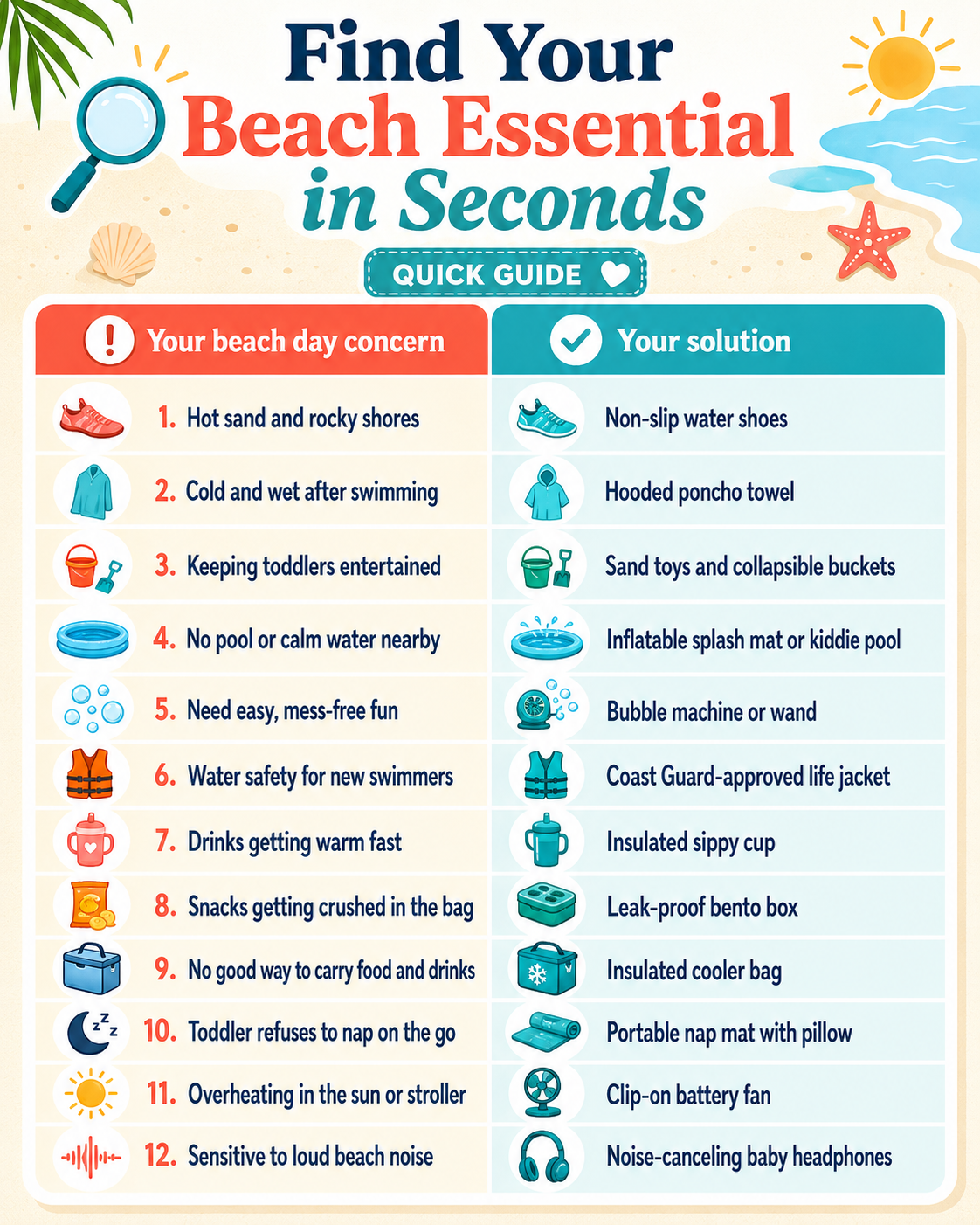
Start Here, If You Only Pack One Category First
First family beach trip? Start here.
First family beach trip? Start with water shoes and a poncho towel before anything else. Hot sand can get uncomfortably warm faster than you'd expect, and a cold, wet toddler right after swimming is one of the more predictable meltdown triggers. Get those two right and the rest of the packing list gets easier to prioritize.
Jump to the Clothing and Accessories section below, then build out from there based on your kids' ages and how long you're staying.
Section 1: Clothing and Accessories
Comfortable, sun-aware pieces for beach play and easy transitions in and out of the water.
Protecting Little Feet From Hot Sand and Sharp Rocks
Sand can heat up considerably on a sunny day, and rocky or shell-covered shoreline areas make bare feet a real hazard for anyone, not just kids. A breathable, flexible pair of water shoes addresses both problems while staying comfortable enough for all-day wear.
The Baby Water Shoes are sized from newborn up to age 3, with Velcro straps designed to stay secure even when wet. Reviewers frequently mention comfort and a lack of blister or pinch complaints, which matters when a toddler is on their feet for hours.
Before buying, check the brand's sizing chart against a current measurement of your child's foot rather than their shoe size in regular sneakers. Toddler feet grow quickly, and water shoe sizing tends to run differently than everyday footwear.
Best for: babies and younger toddlers who need flexible, secure water protection.
The Slip-On Style Older Kids Can Manage Themselves
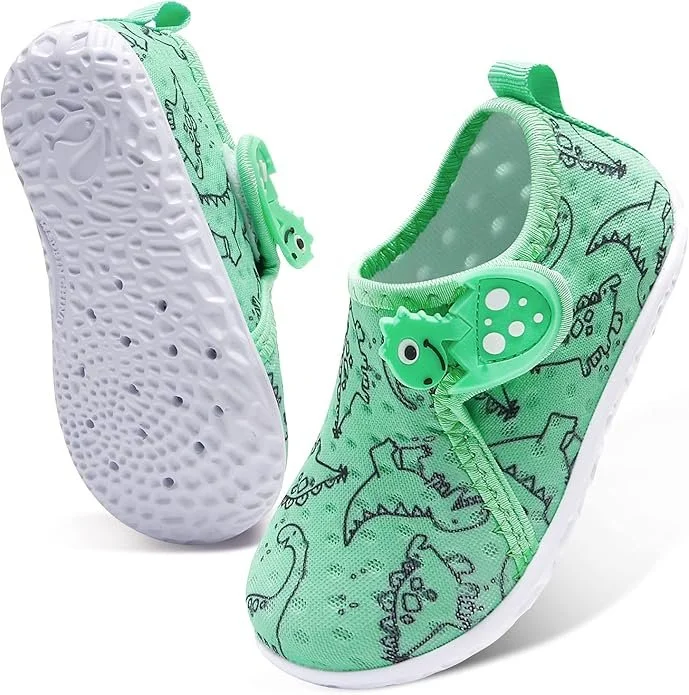
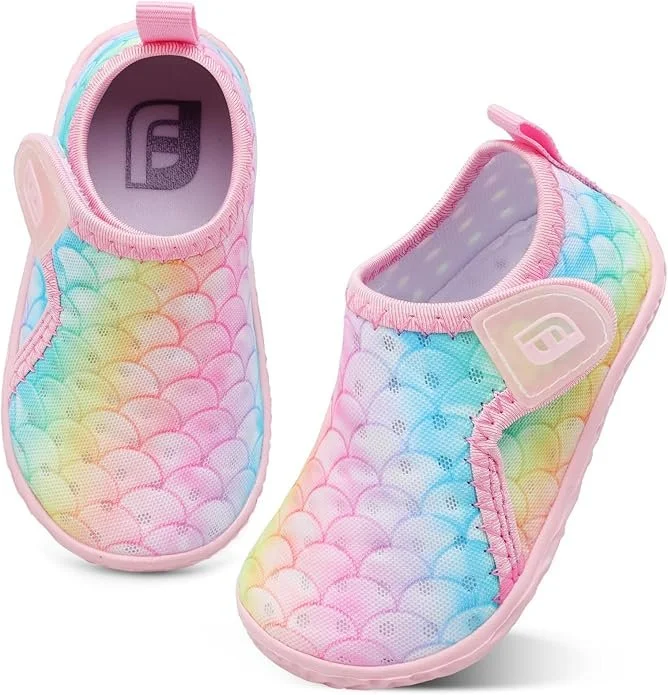
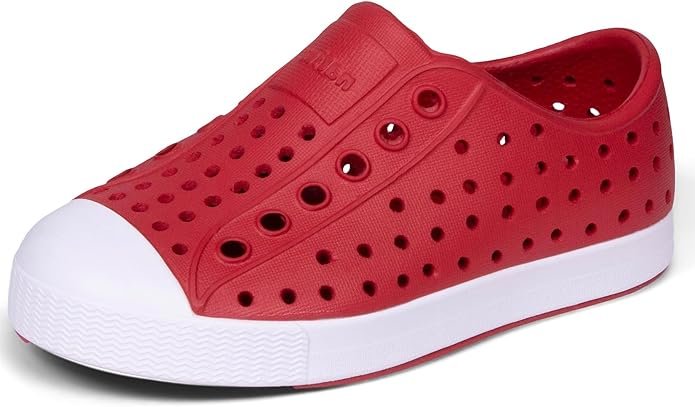
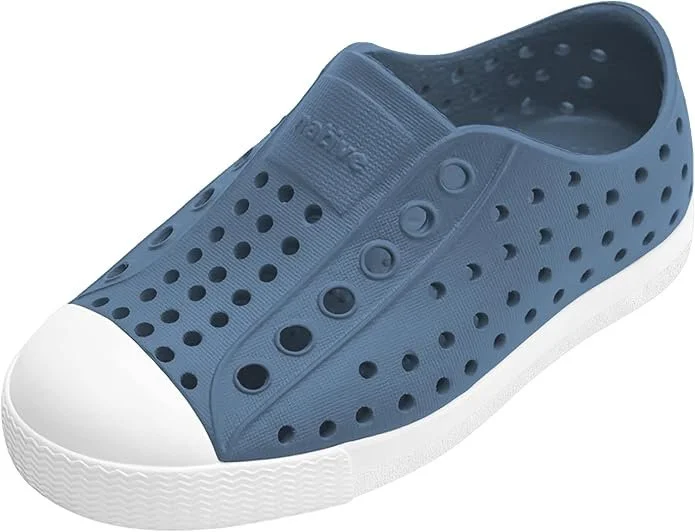
For older kids, being able to put their own shoes on matters more than it might seem. The Native Shoes Kids' is a waterproof option that doesn't require a break-in period and can be cleaned with a hose after a sandy day. Reviewers highlight how well it holds up for splash pads and repeated beach trips, and several note that even toddlers can manage the slip-on style independently.
If you're deciding between this and a stricter water shoe, consider how your child actually plays: kids who spend most of their time in shallow water and on sand tend to do fine in a slip-on, while kids scrambling over rocks or tide pools may need a shoe with a more secure closure.
Best for: older kids who want independence getting ready, with toddler sizes also available.
Warming Up Fast After Swimming
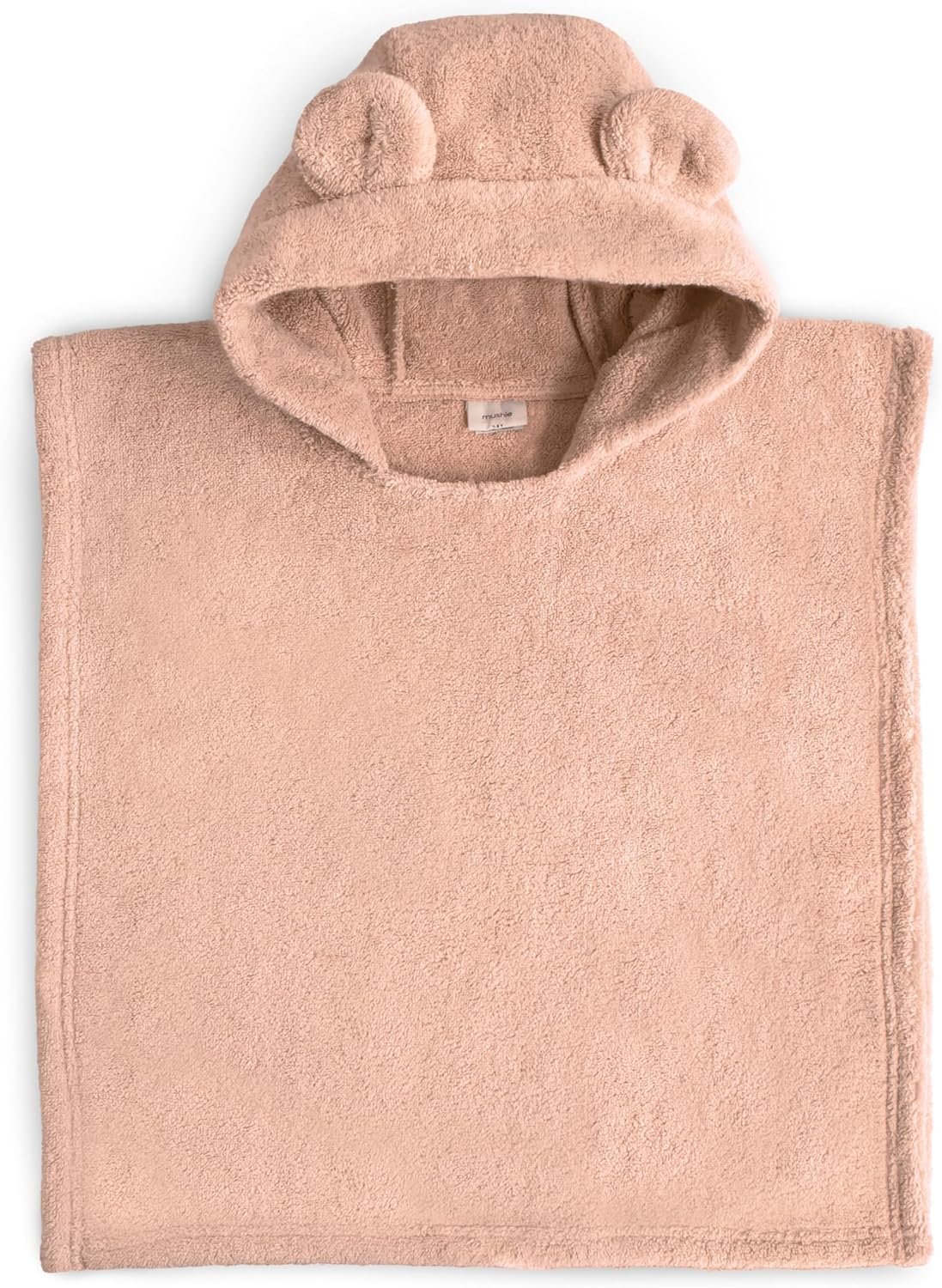
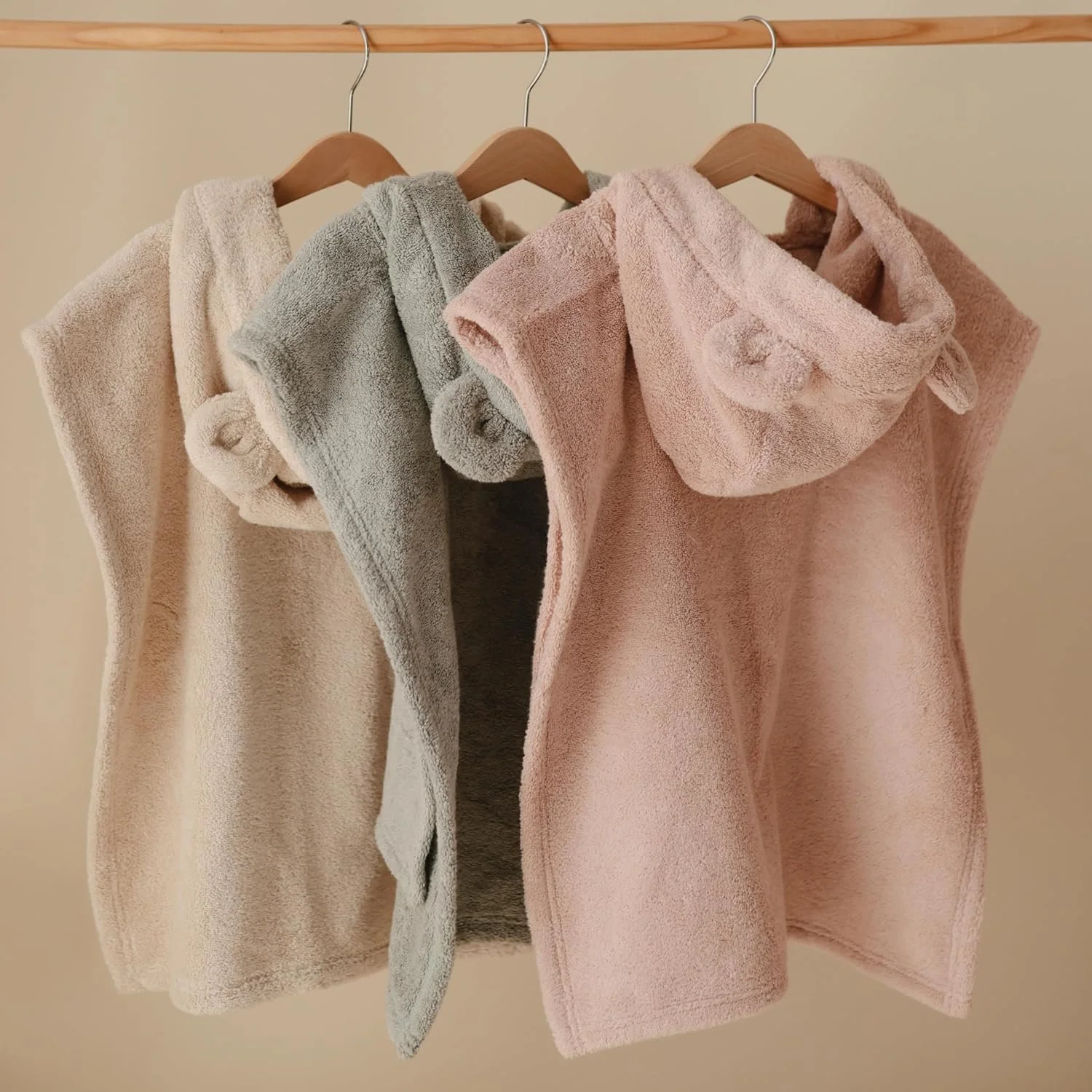
The stretch right after swimming, when a kid is cold and suddenly miserable, is one of the more common beach day flashpoints. A hooded poncho towel can shorten that window considerably.
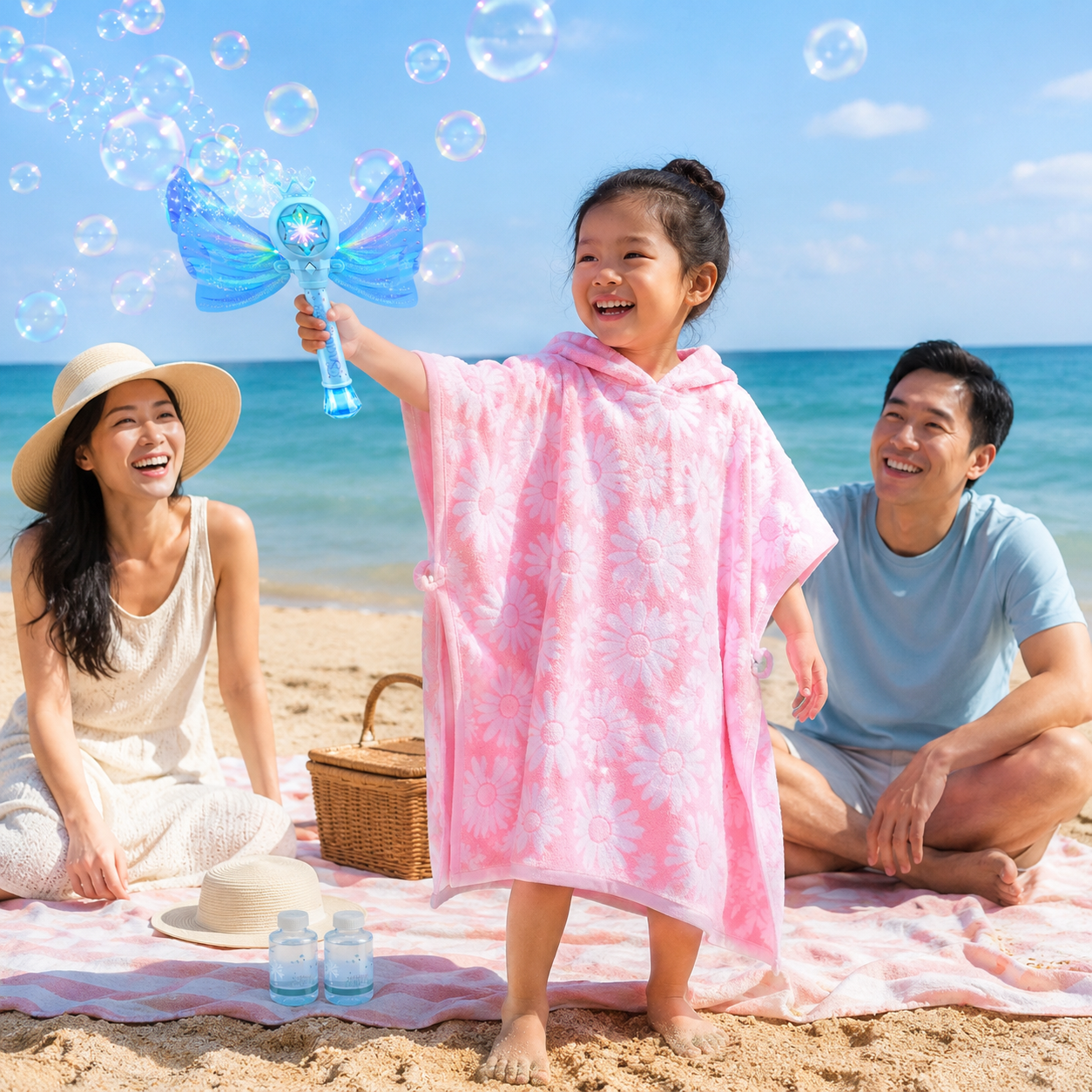
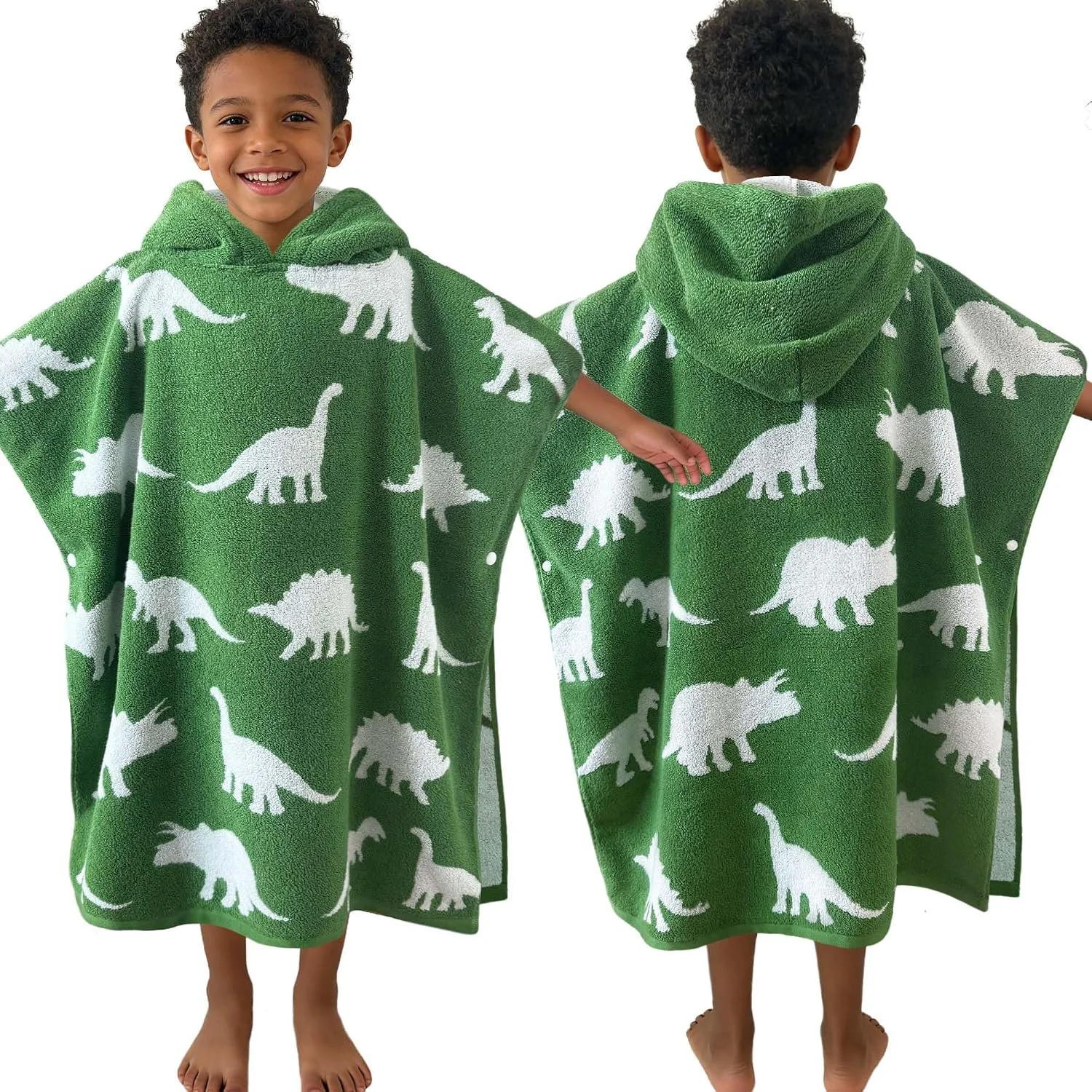
For ages 4 to 8, the hooded bath towel poncho comes in a range of colors, and reviewers describe the material as thick and the side-snap closure as easy for older kids to manage on their own.
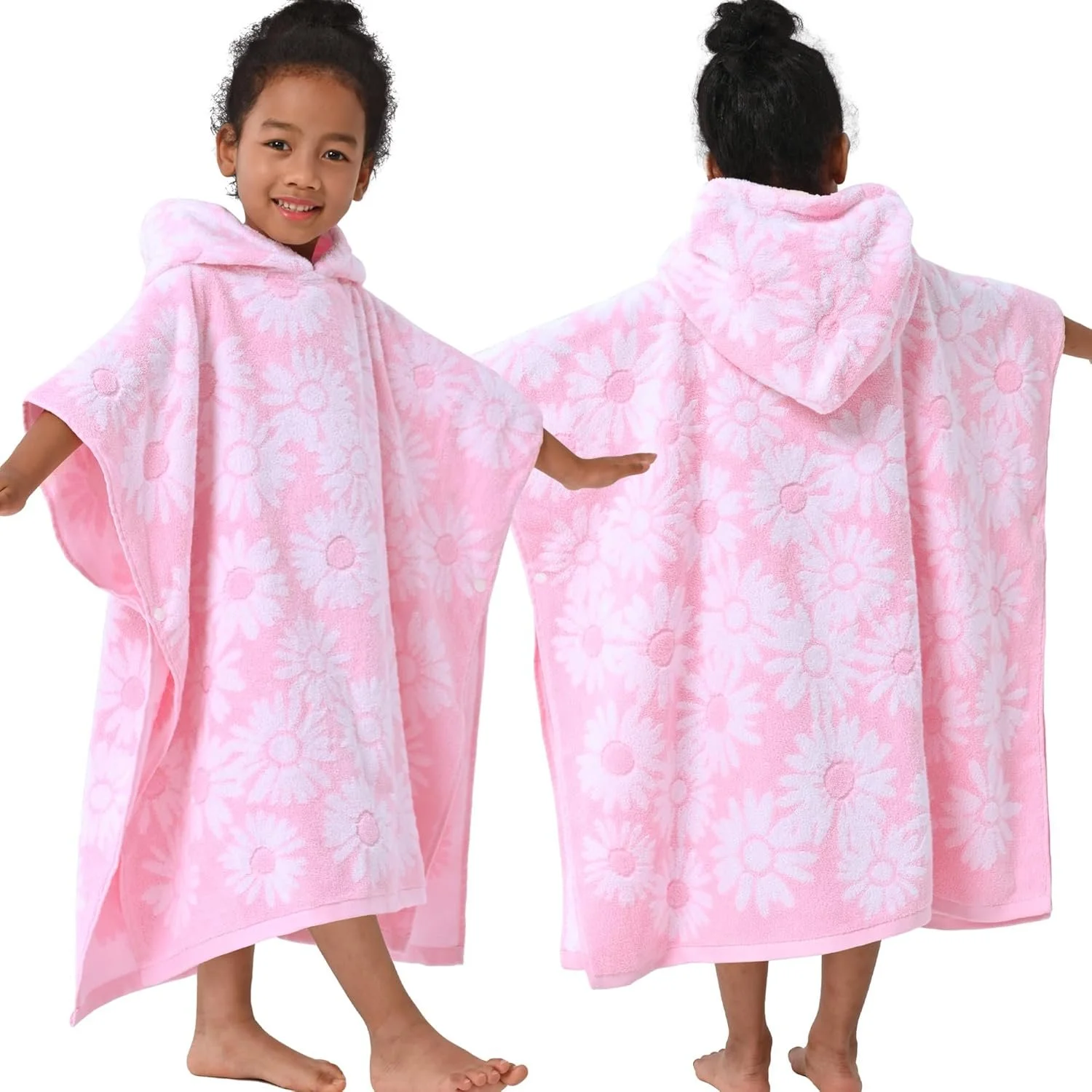
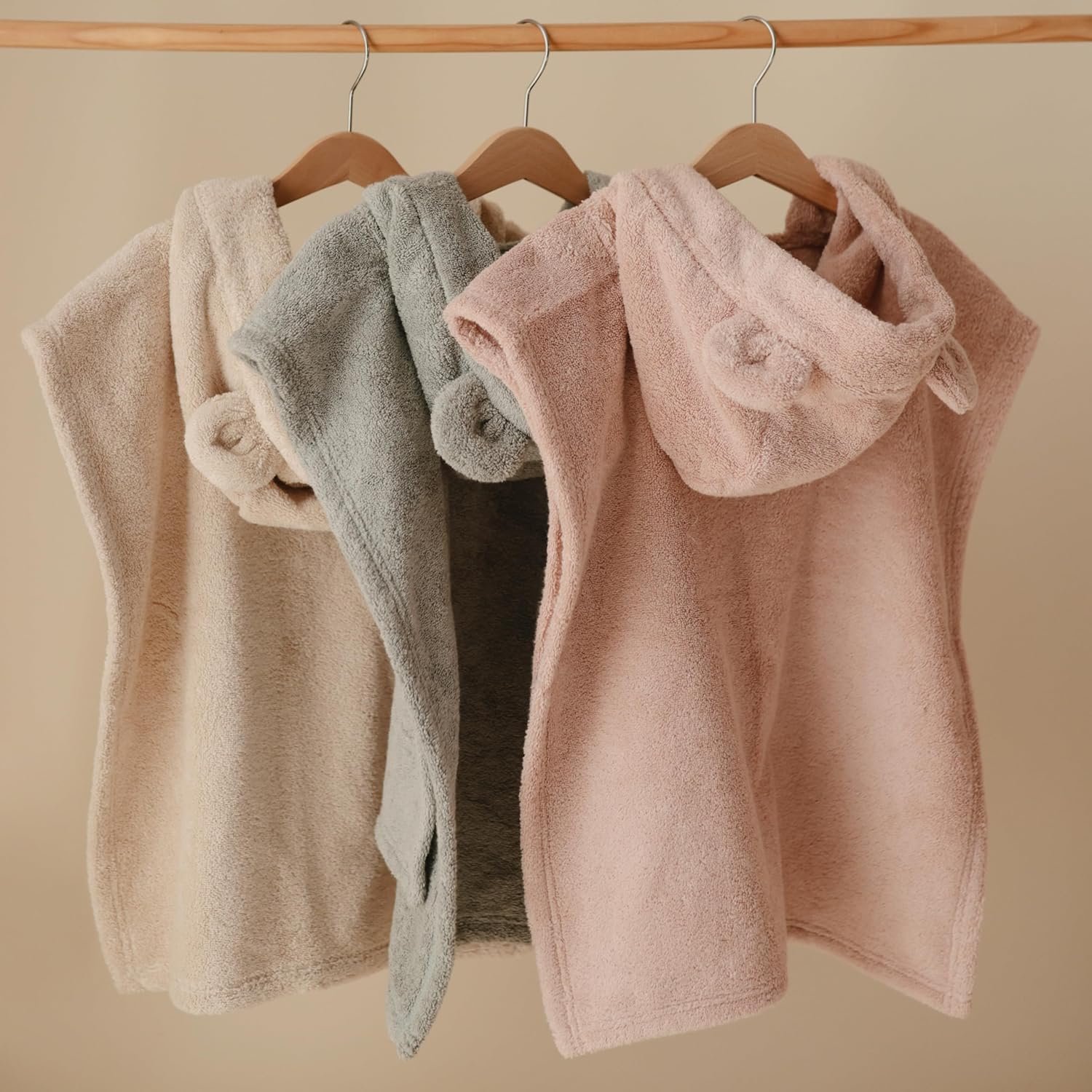
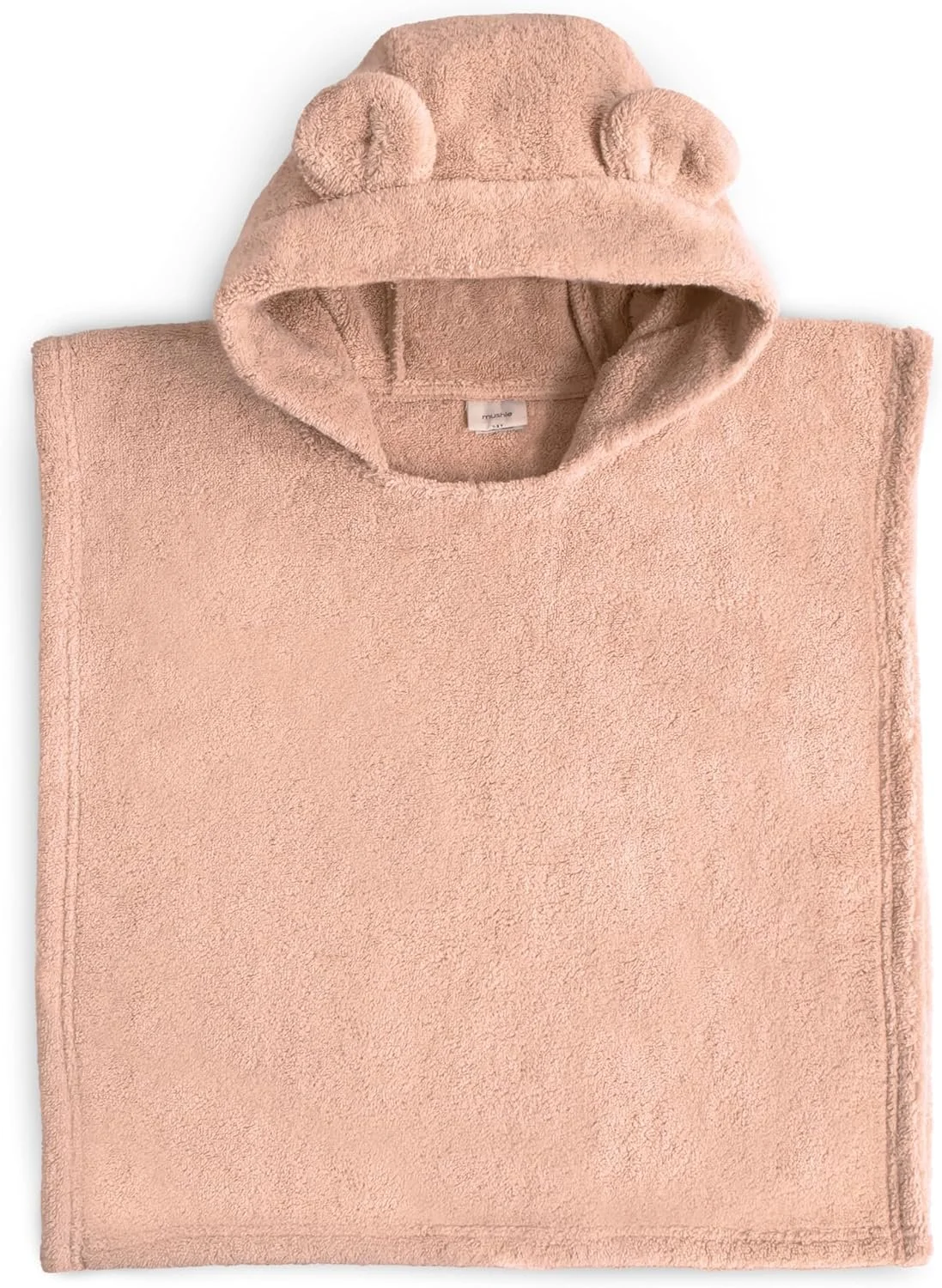
For toddlers ages 1 to 3, the Organic Poncho Towel offers a softer, more toddler-sized fit. Reviewers note it runs a little roomy, which means it's likely to fit comfortably for longer than one season, and that it dries quickly between uses, useful on multi-day trips.
Before buying either, check the towel's finished length against your child's height rather than the marketed age range alone, since toddler sizing varies more between brands than adult sizing does.
Best for: the 4–8 towel suits kids who want to dry themselves off independently; the toddler version suits younger kids who need extra softness and a shorter length.
Section 2: Entertainment and Beach Play
A few well-chosen toys usually outperform a beach bag stuffed with a dozen small ones. Here's how to think about what you actually need.
Choosing Sand Toys: What to Look for Before You Buy
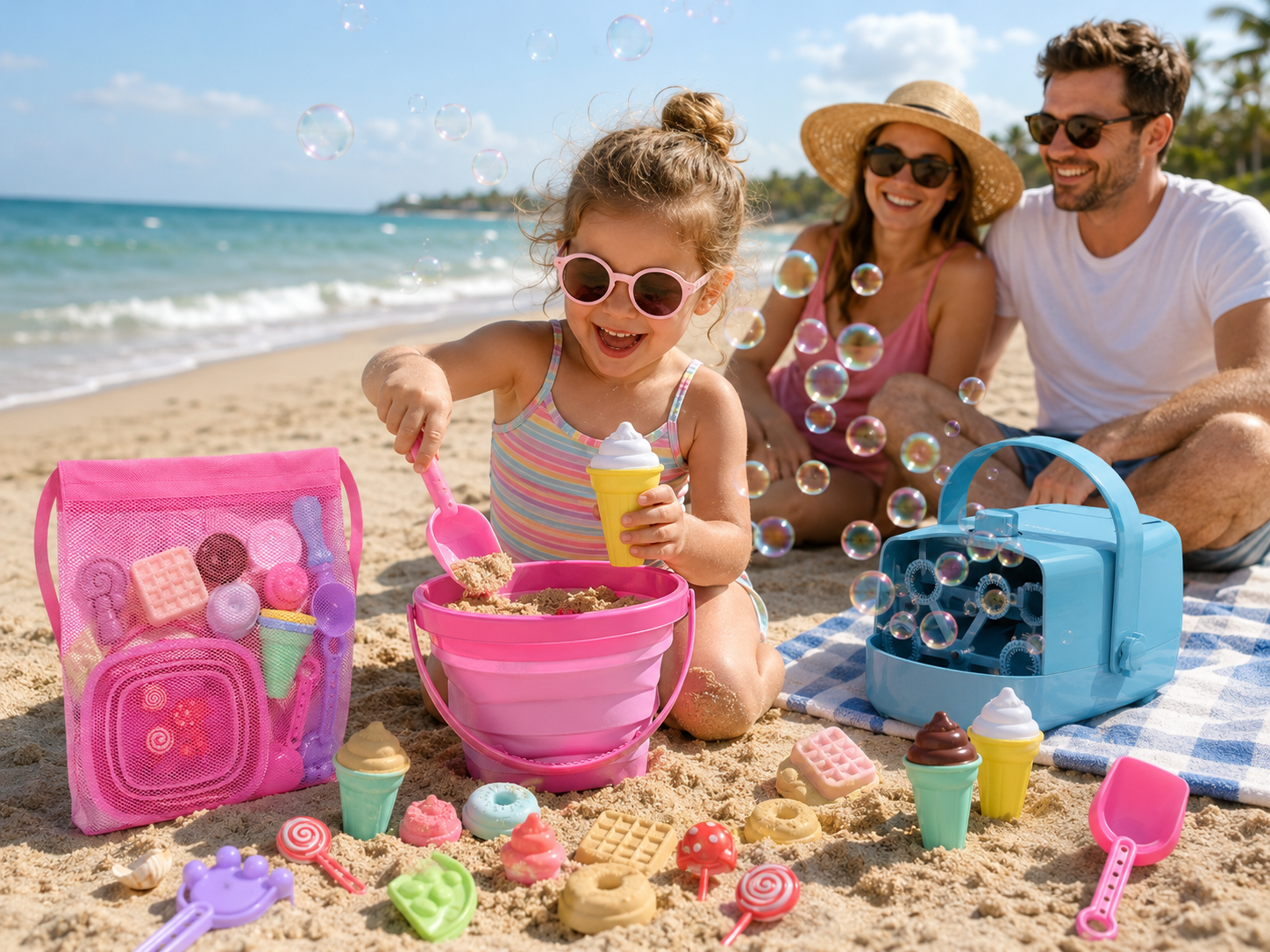
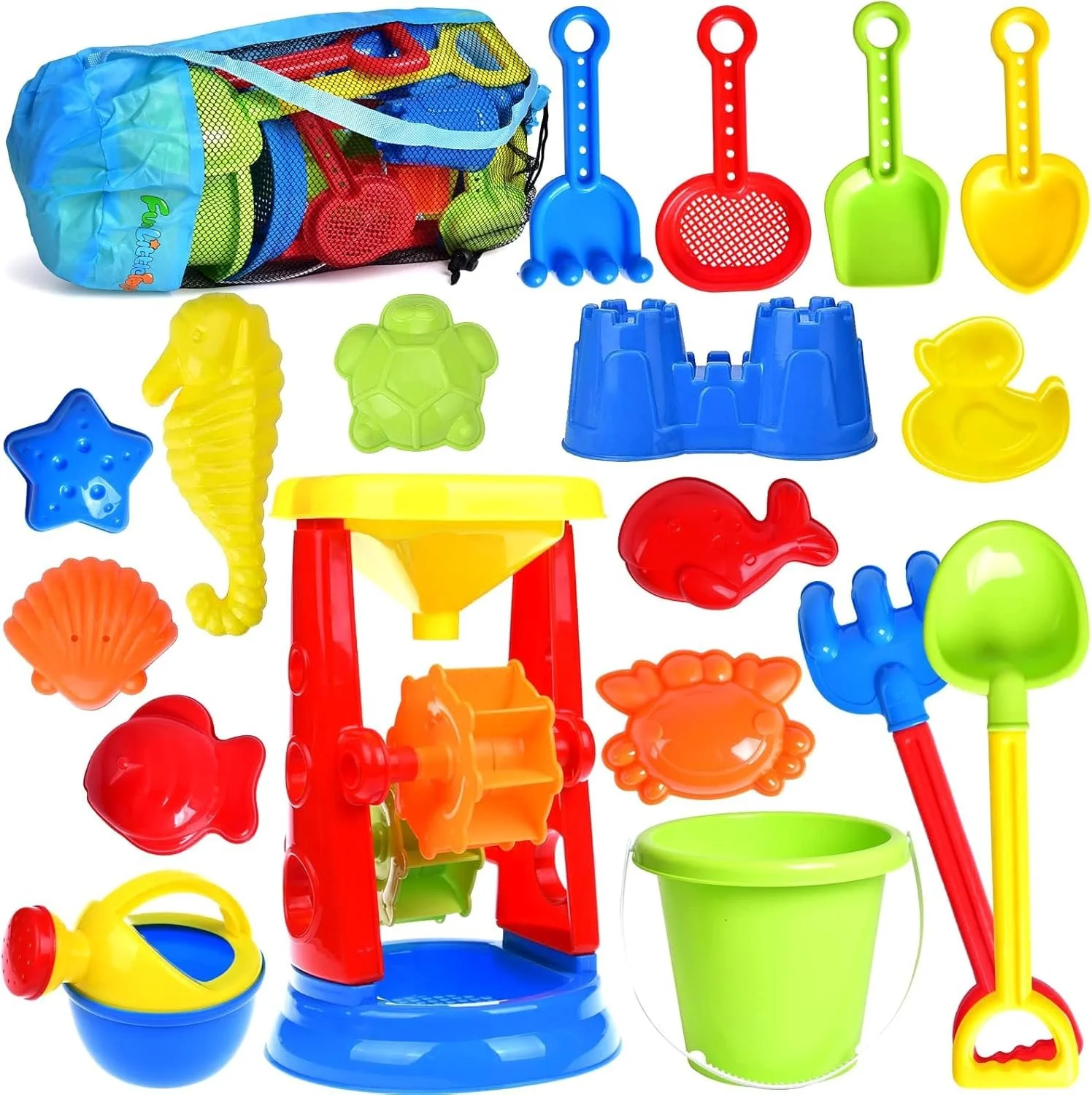
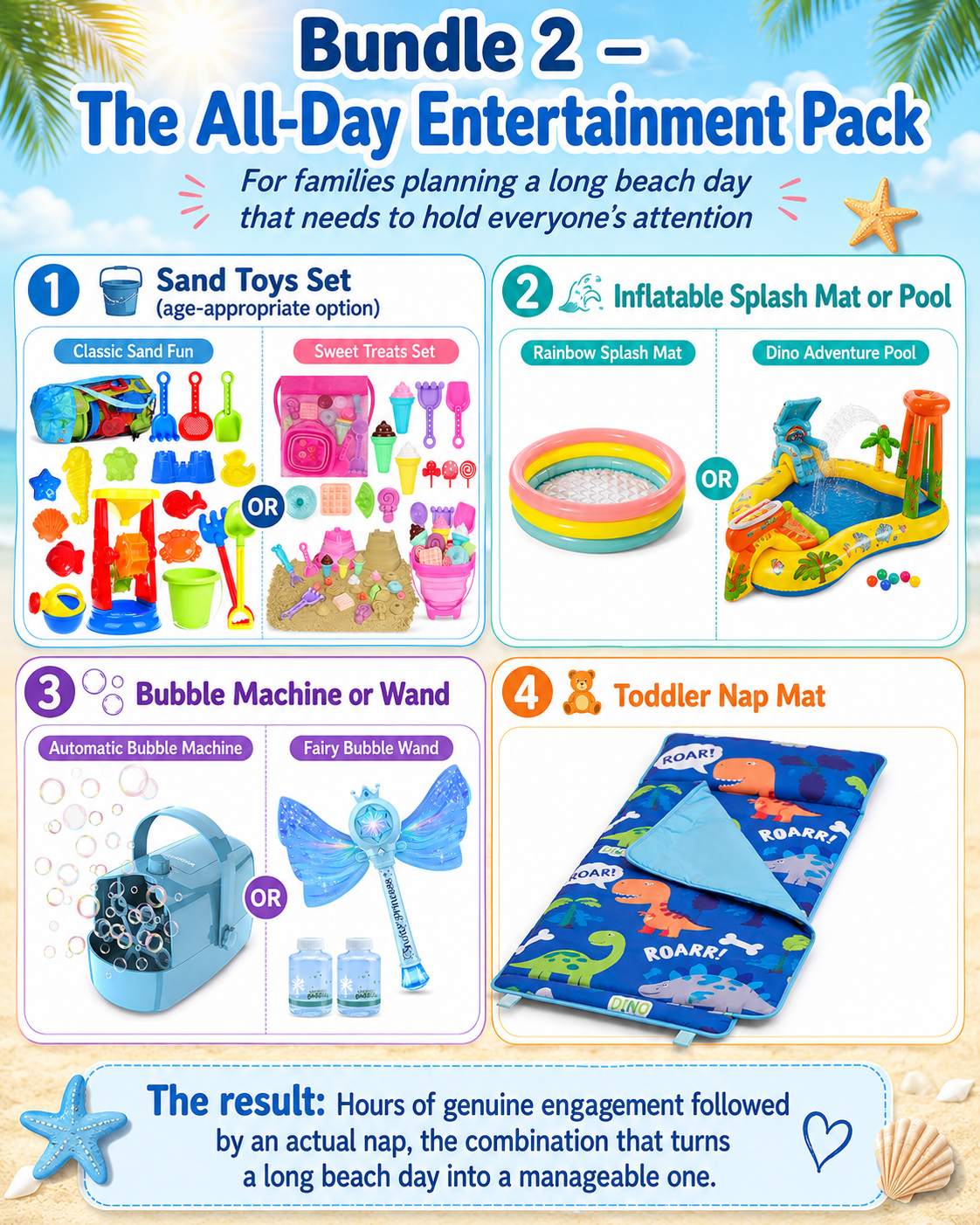
Sand toy sets vary mainly in three ways: how much they pack down for transport, how easy they are to get sand-free before they go back in your bag, and how much variety of play they offer. A mesh storage bag is worth prioritizing, since it lets loose sand fall through during cleanup instead of trapping it in a solid tote.
The collapsible sand toy set with mesh bag folds flat and comes with that mesh storage option, making it a strong pick if beach bag space is tight. It leans toward toddler-girl-oriented colors and design.
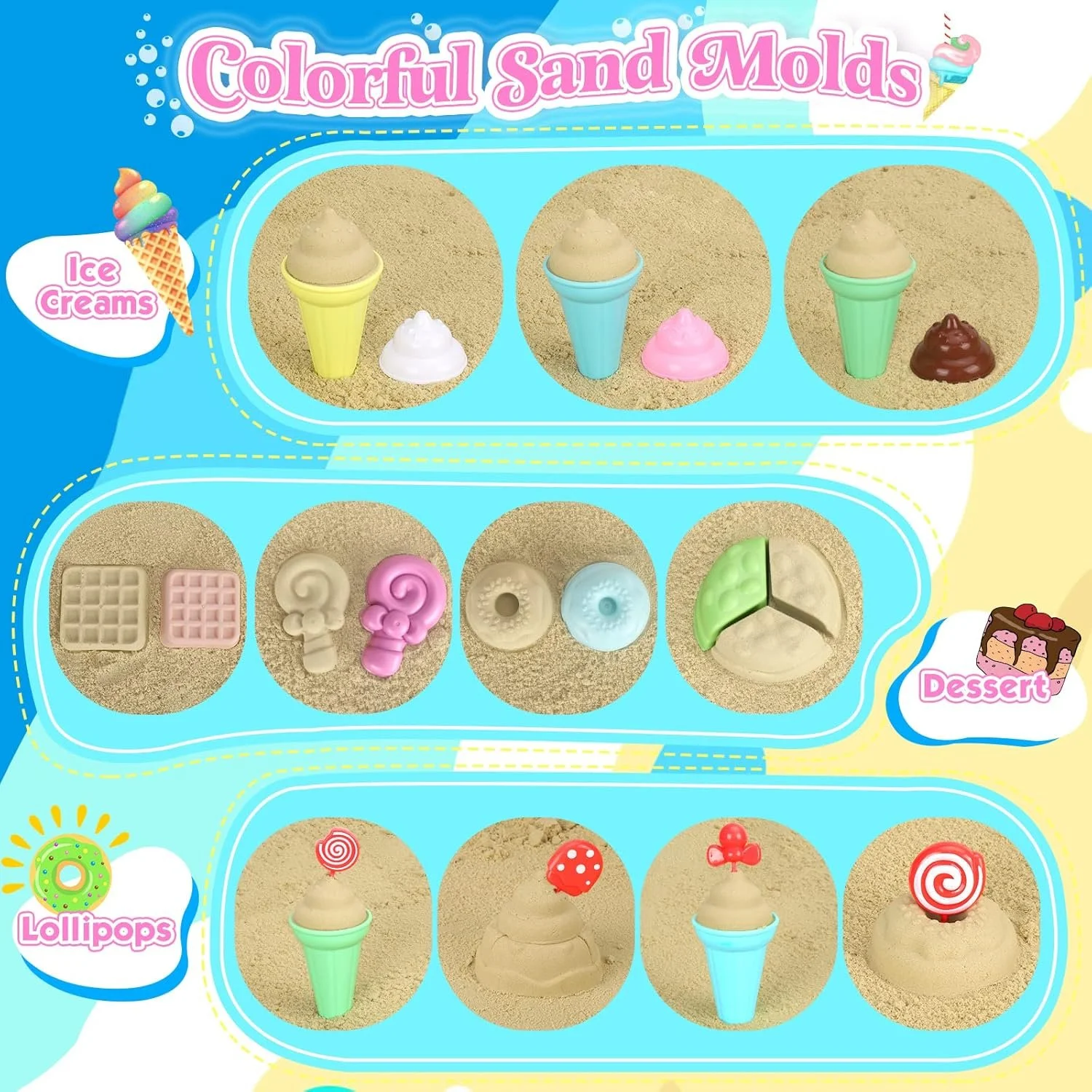
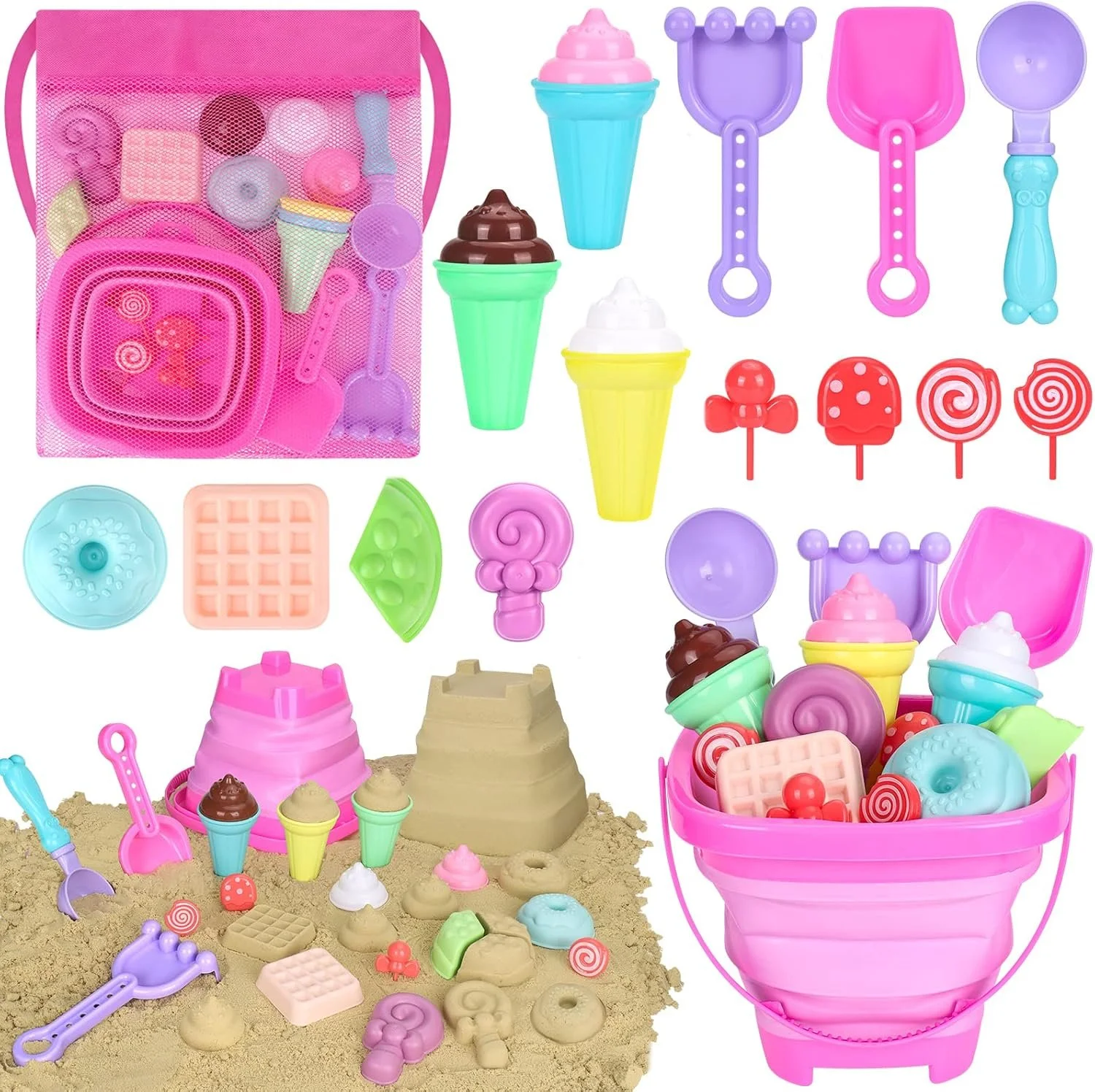
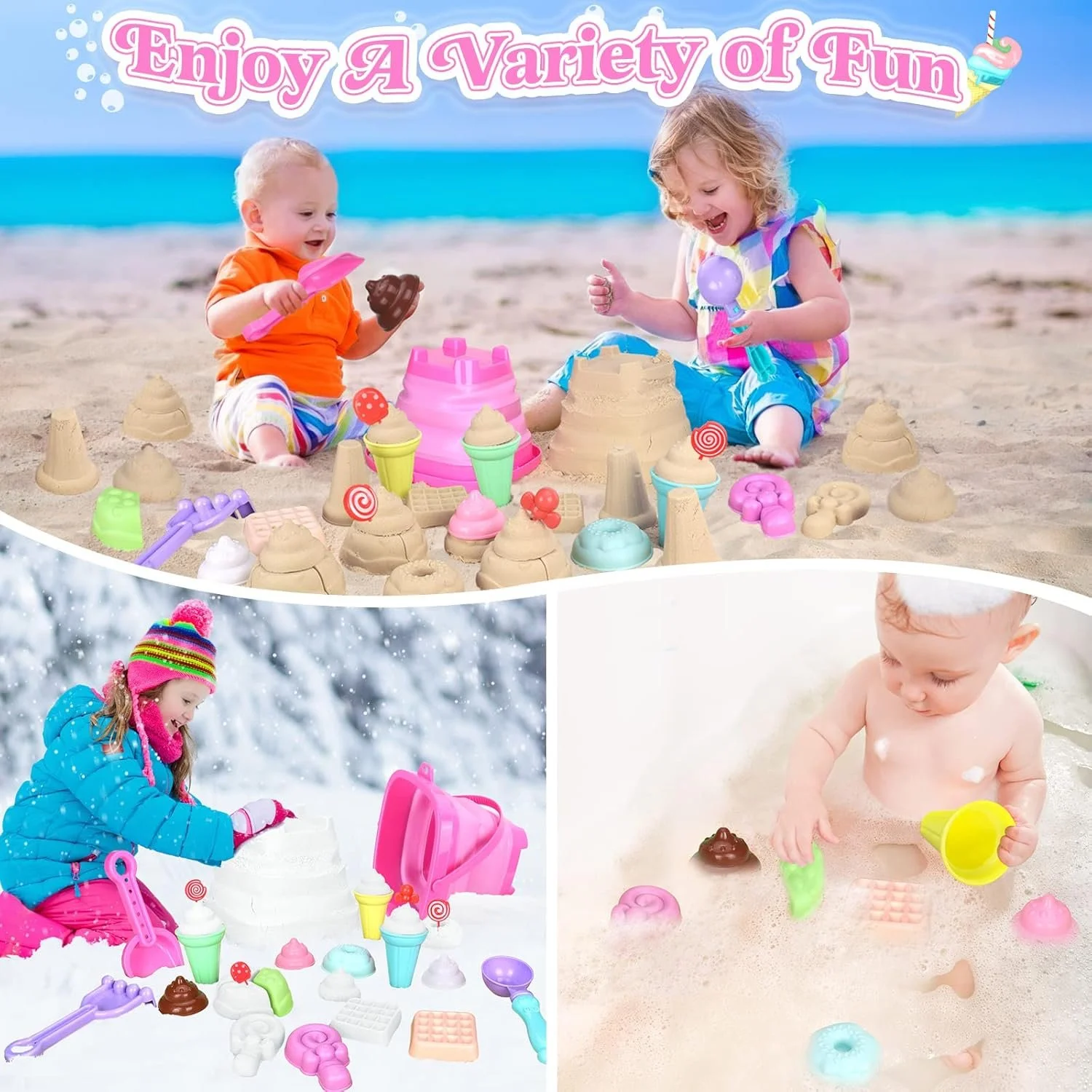
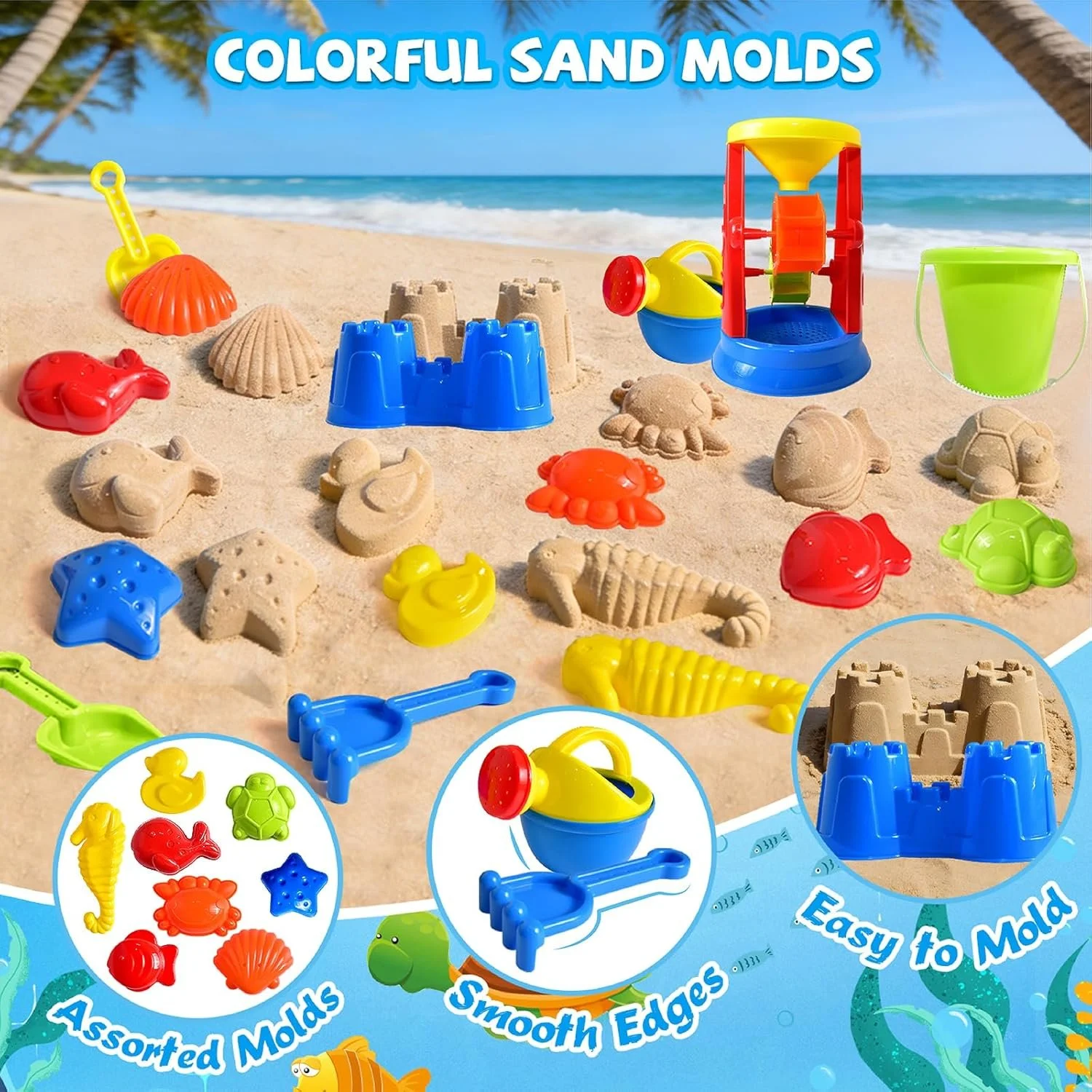
The 19-piece sand toy set with water wheel and molds is a more gender-neutral option with a wider range of molds and an added water wheel, which tends to hold interest longer on extended beach afternoons since it combines sand play with water play.
If you already own basic buckets and shovels, a full replacement set isn't always necessary. Adding just a water wheel or a mesh sand-sifter to what you have can extend play value without buying an entirely new kit.
Best for: the collapsible set suits toddlers and tighter packing needs; the 19-piece set suits kids who want more variety or who'll share toys with a sibling.
When the Ocean Isn't the Right Fit for Little Swimmers
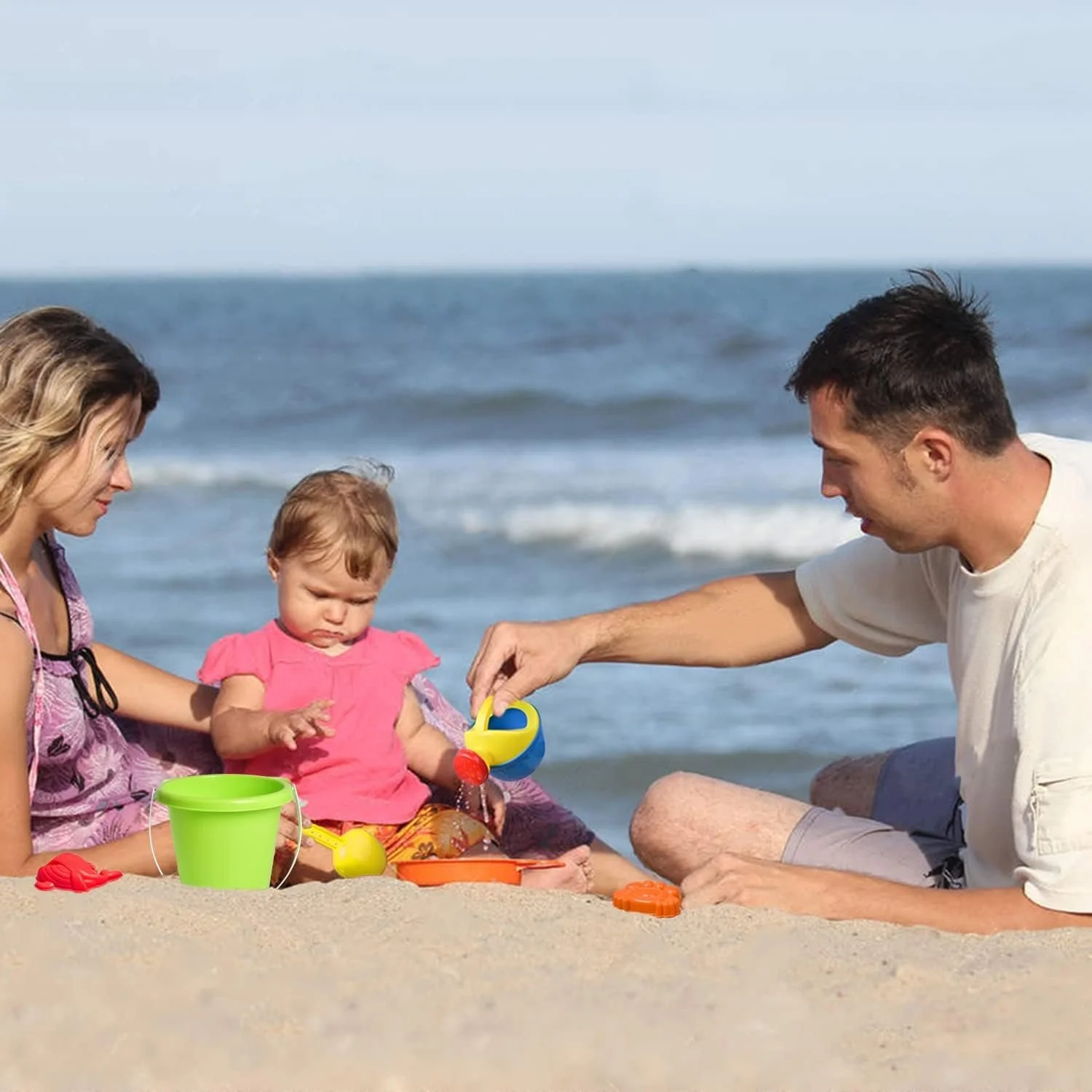
Not every beach has calm enough water for a toddler to safely play in, and sometimes a contained splash zone nearby is simply more practical. Two inflatable options cover different situations:
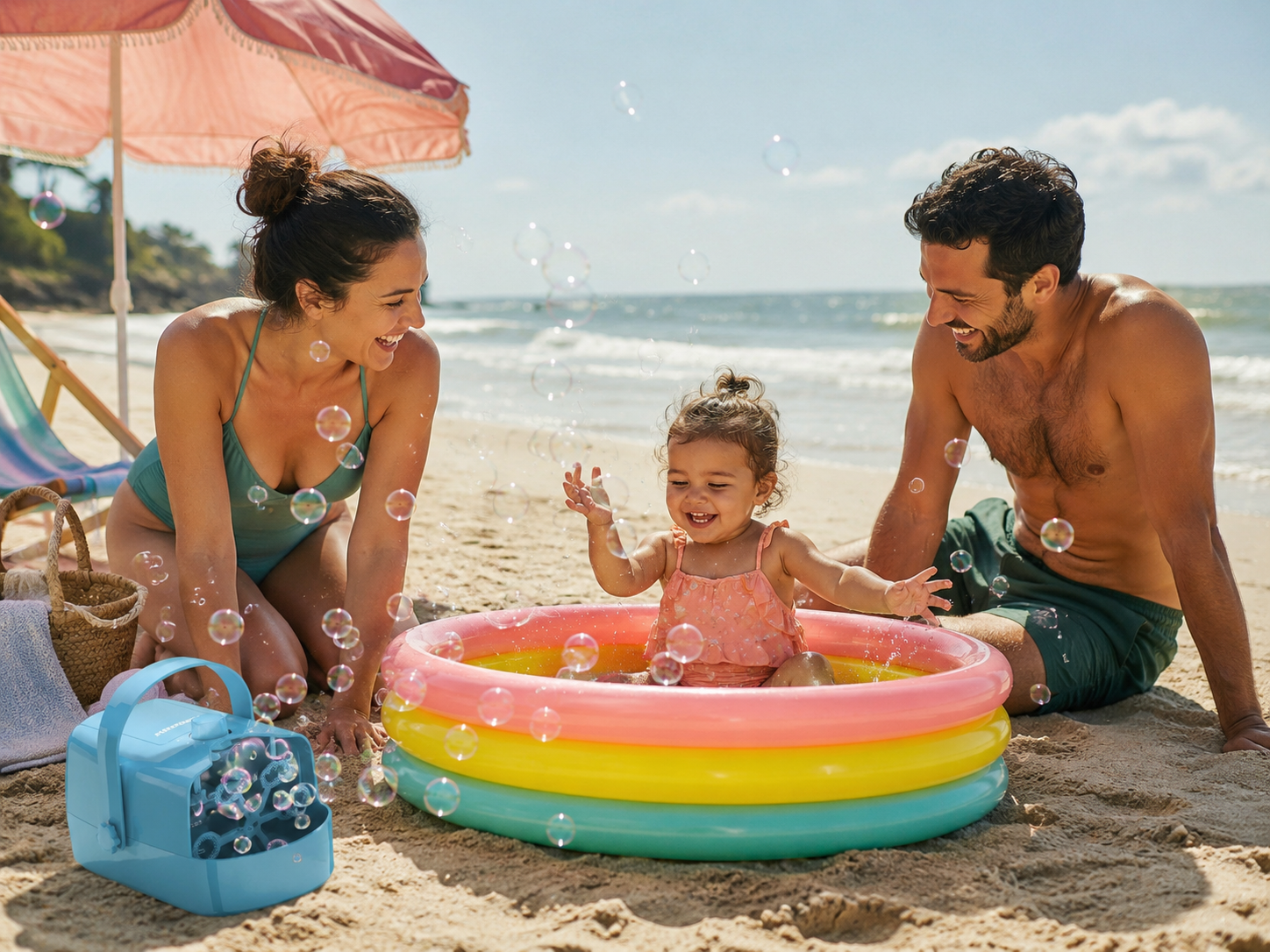
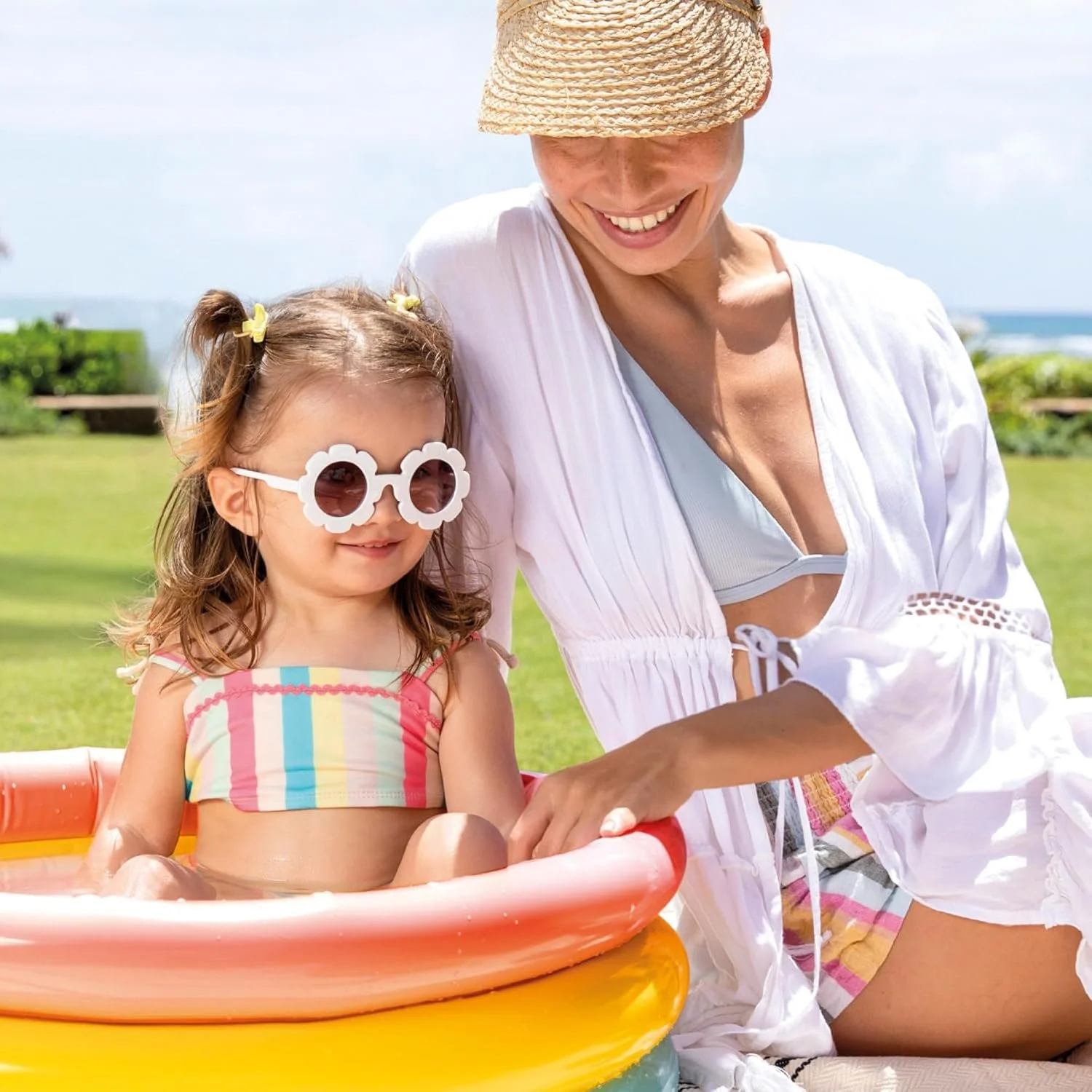
The 34-inch inflatable kiddie pool is designed for ages 2 to 7, and some reviewers report it working well for babies and younger toddlers too, though you'll want to judge that based on your own child's size and mobility.
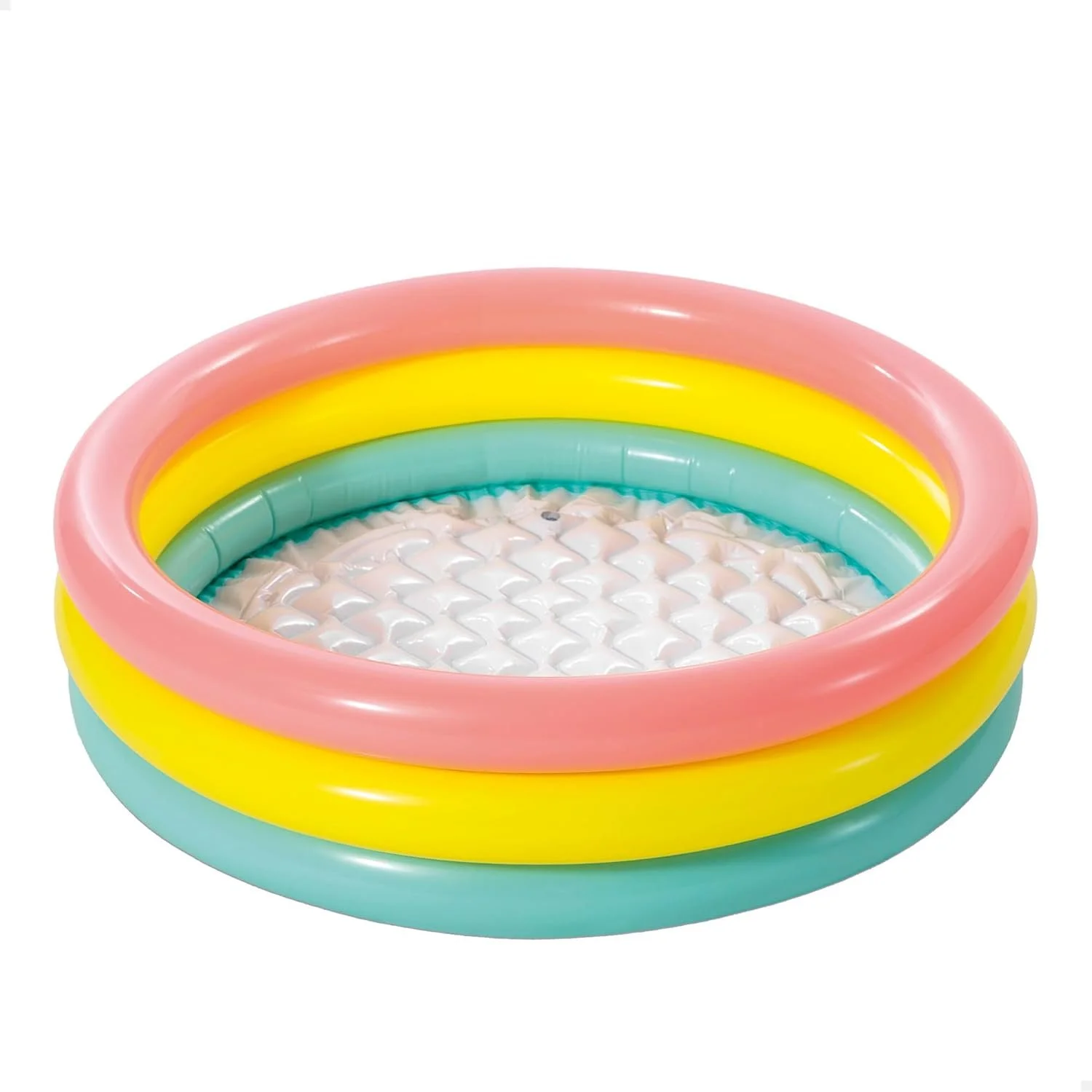
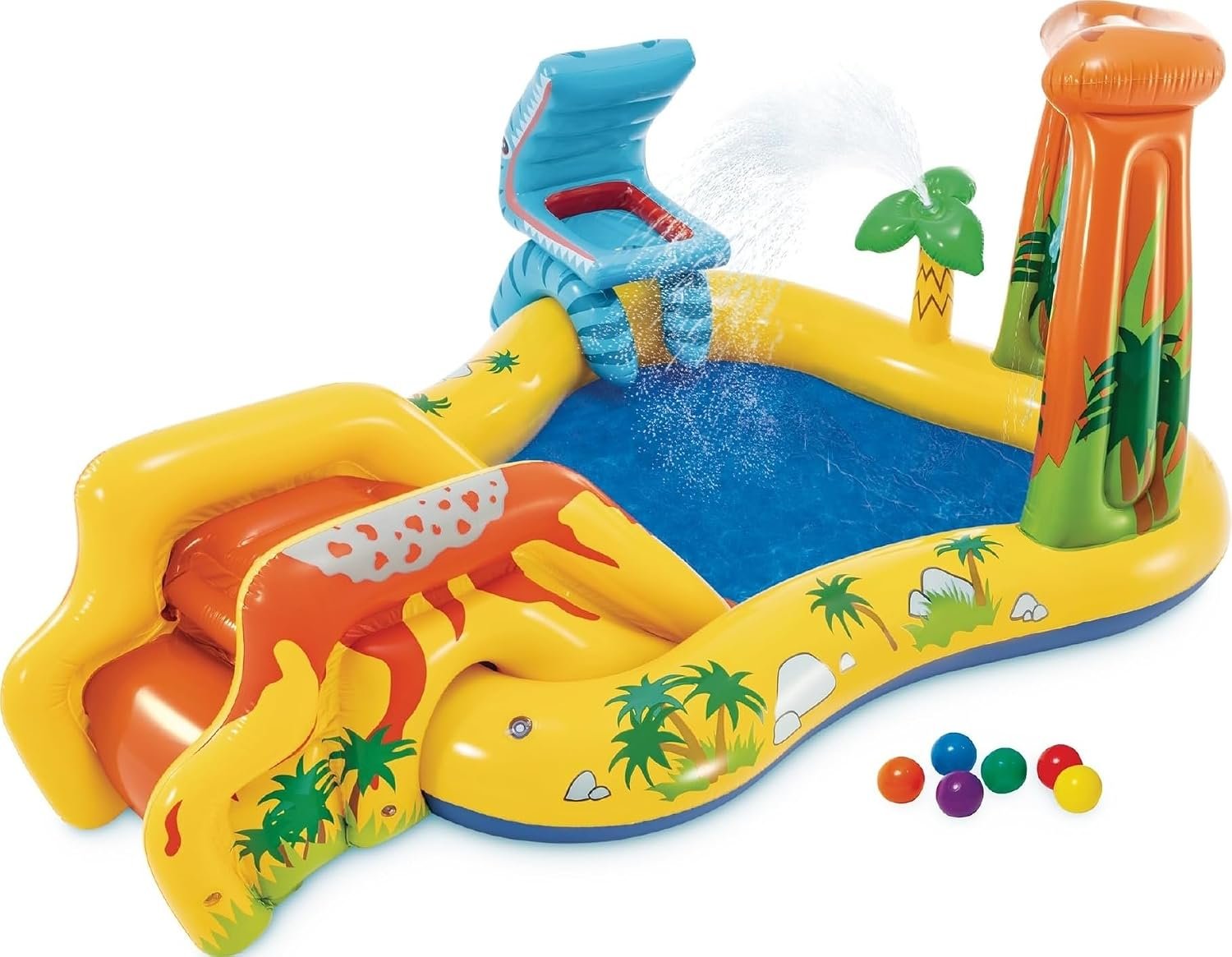
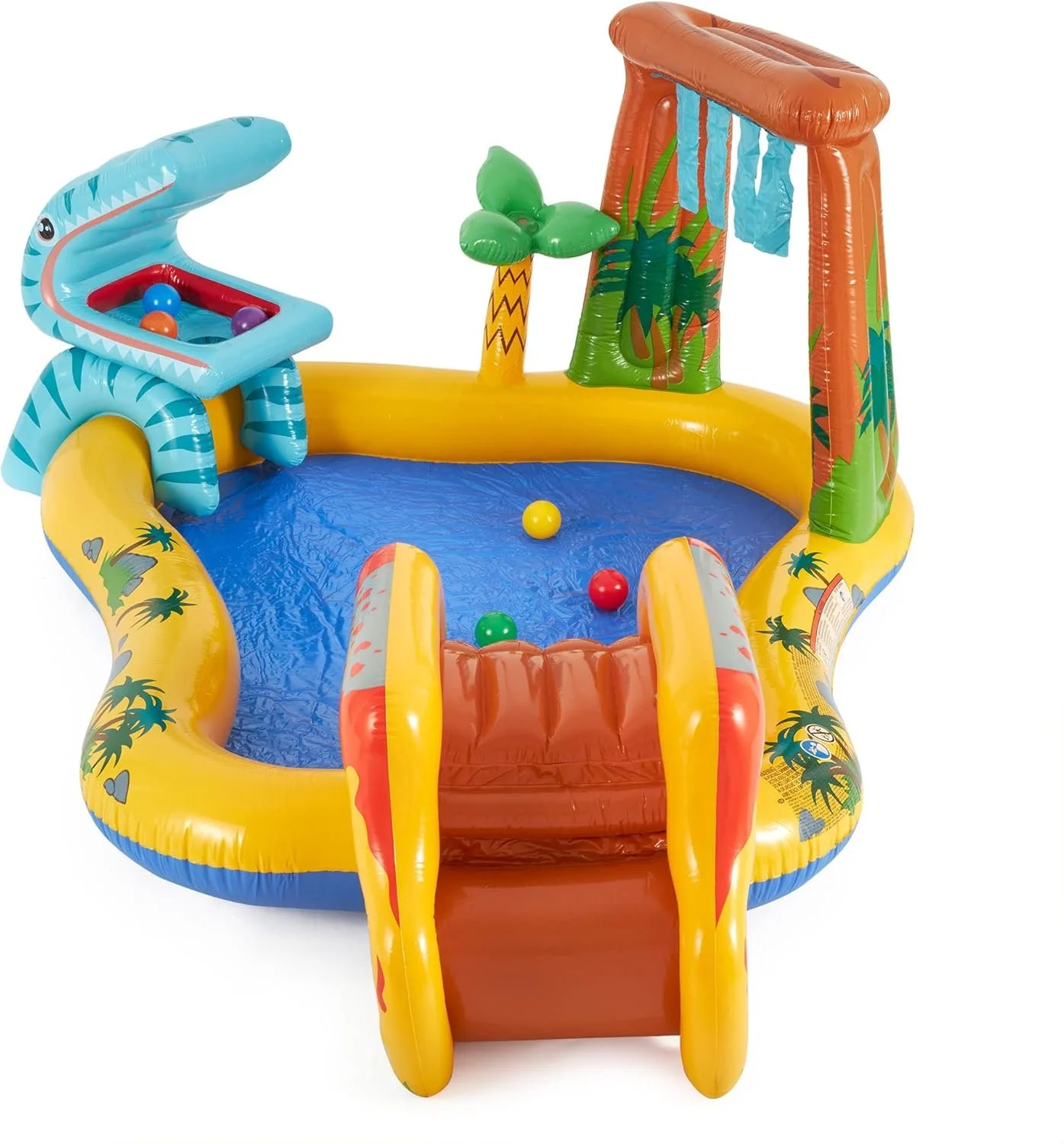
The dinosaur-themed inflatable splash pad is built to accommodate toddlers and older kids at the same time, which is useful if you're trying to entertain a wider age range without setting up two separate play areas.
A contained pool or splash pad is not a substitute for active supervision. Even a few inches of standing water is enough for a young child to be at risk, so an adult within arm's reach the entire time a child is near either of these is the baseline, not an optional extra.
Best for: the kiddie pool suits a narrower, deeper splash zone for younger kids; the splash pad suits mixed-age groups who'll play together.
Bubbles: Wand or Machine?
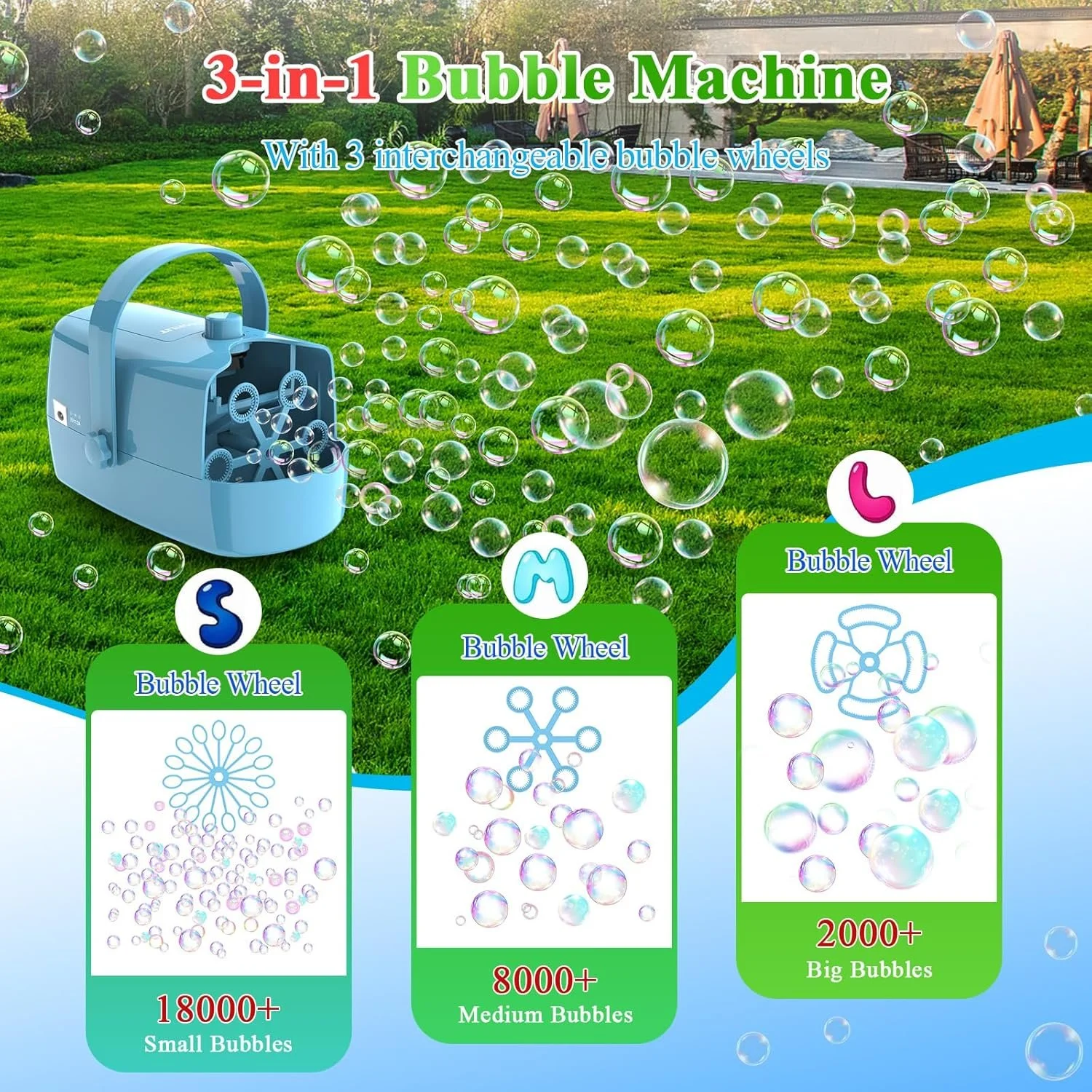
If your main goal is a few minutes of reliable entertainment with almost no setup, a bubble toy is hard to beat. The choice mostly comes down to how much bubble output you want and how hands-on you're willing to be.
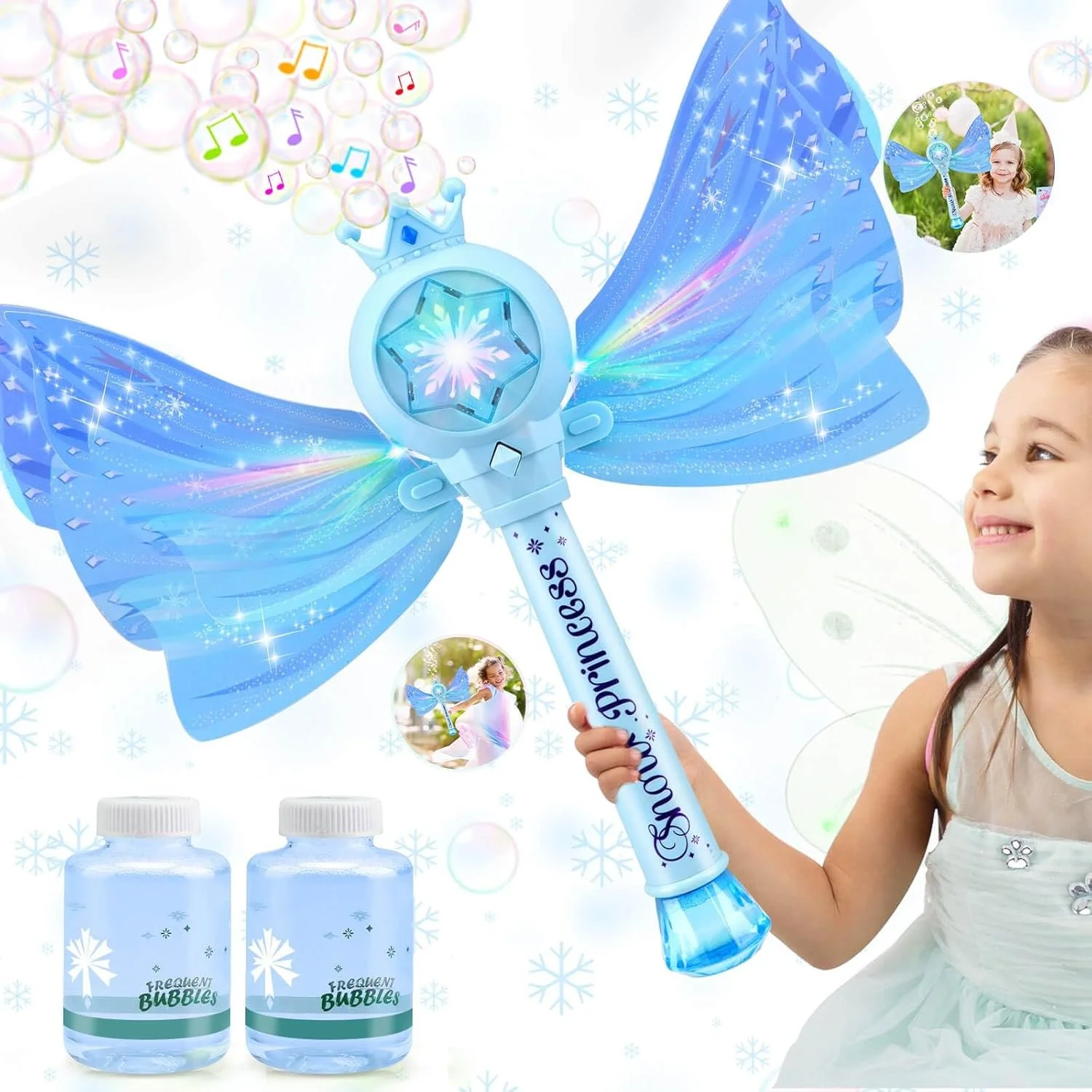
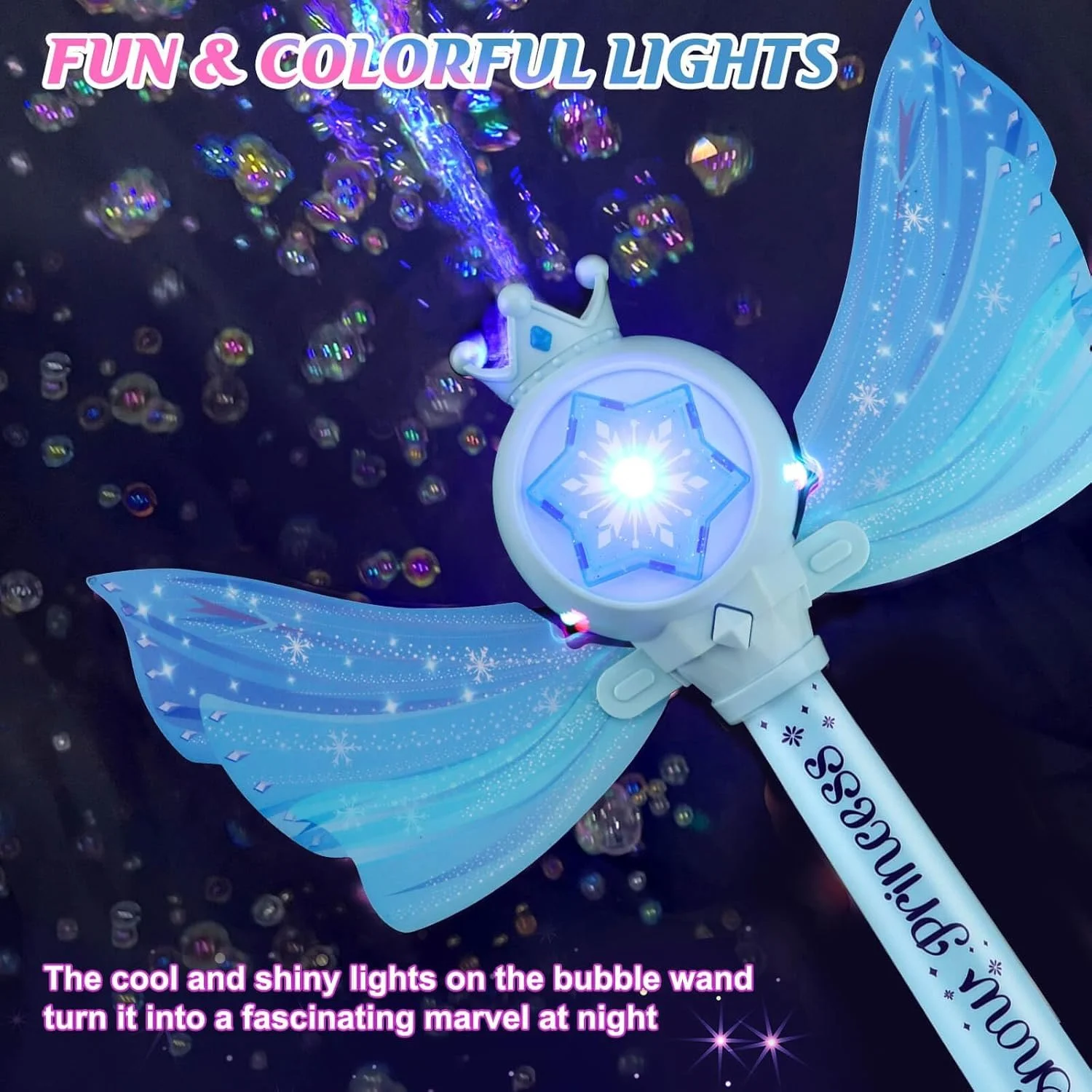
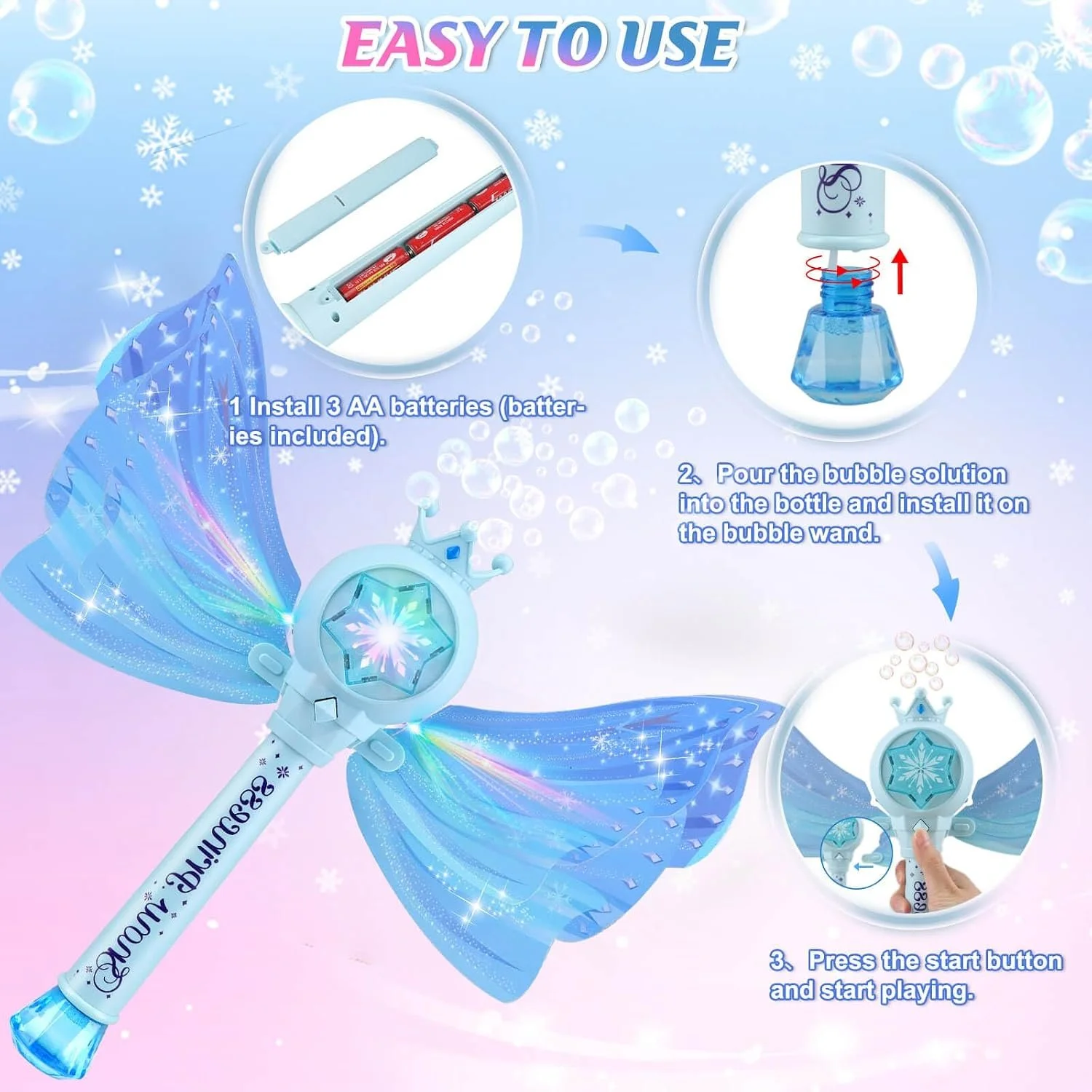
The light-up musical bubble wand is a smaller, more toddler-scaled option that adds lights and sound, and reviewers note it's a popular choice as a gift for younger kids.
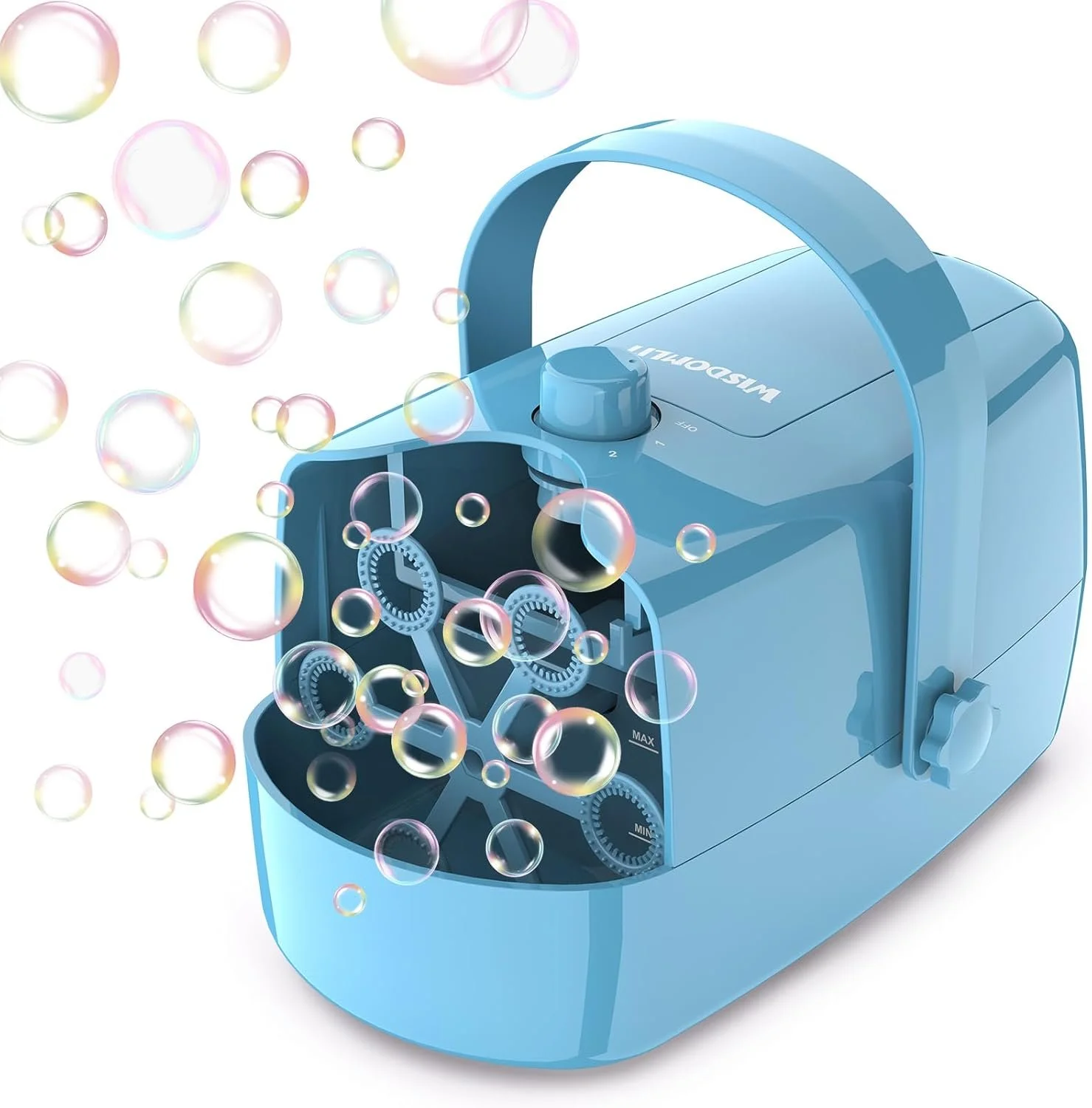
The 3-in-1 bubble machine, rated to produce over 8,000 bubbles per minute, runs on its own once it's set up, which makes it a better fit for group beach trips or longer stretches where you'd rather not be actively blowing bubbles yourself.
Best for: the wand suits one-on-one toddler play; the machine suits group settings or situations where you want low-effort, extended entertainment.
Section 3: Safety First — Floaties and Life Jackets
Flotation gear supports water safety, but it doesn't replace supervision, and no product on this list should be treated as a guarantee against drowning.
Coast Guard-Approved Support for Kids Learning to Swim
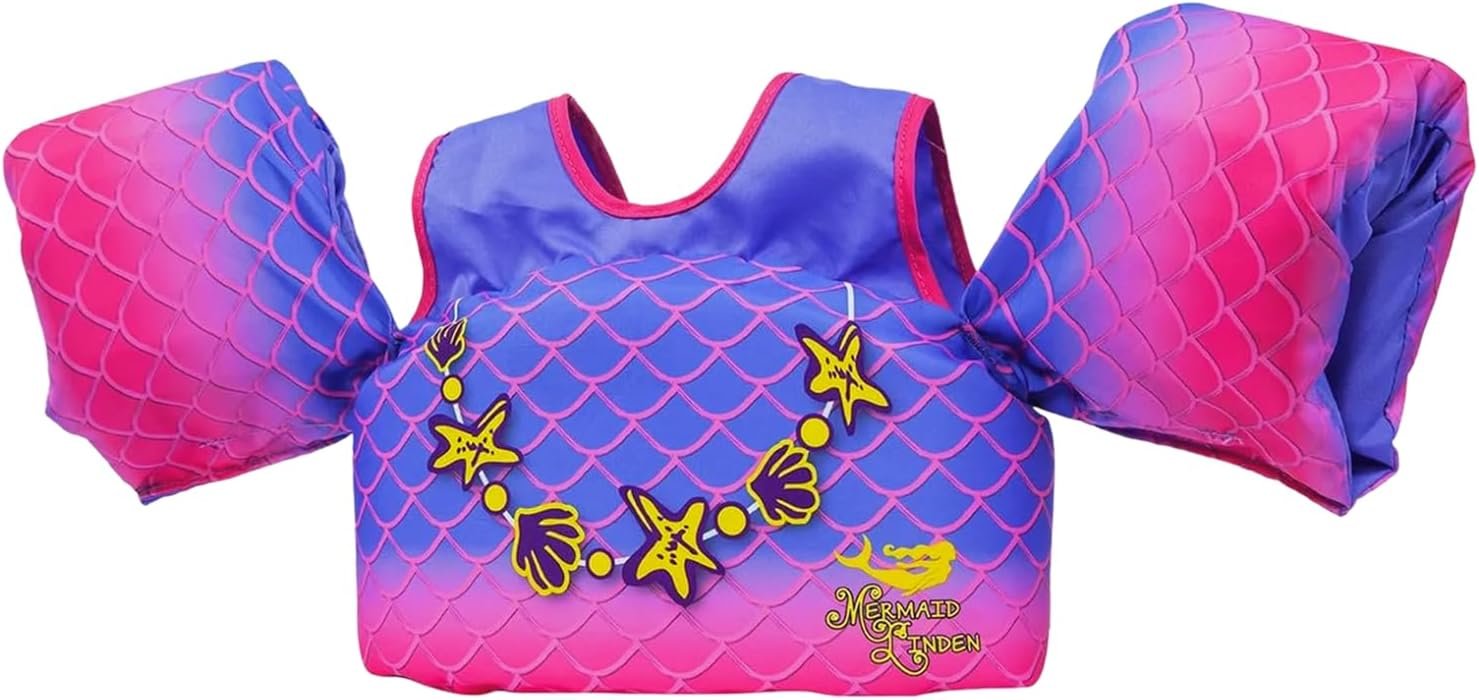
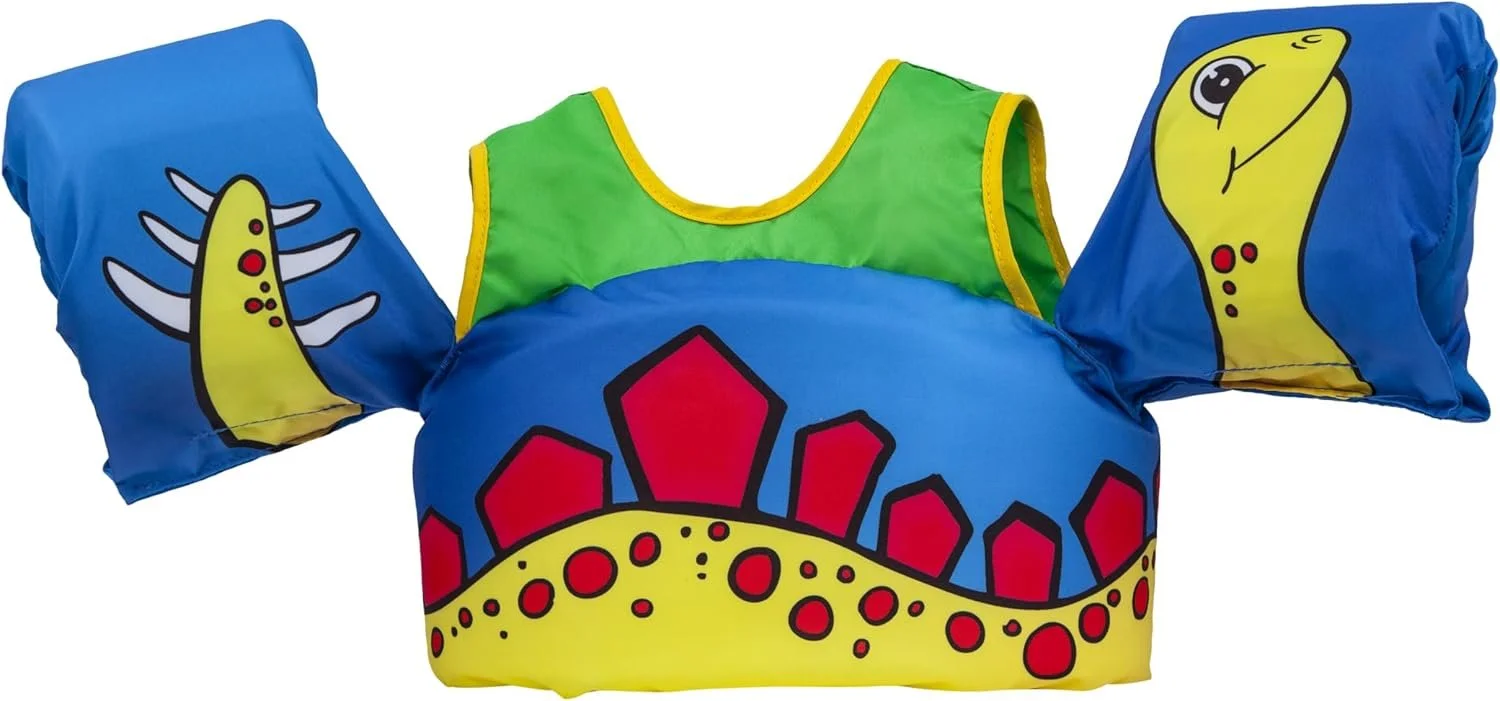
For kids still building swim skills, proper flotation gear is worth prioritizing over decorative floaties. The Body Glove Paddle Pals is Coast Guard-approved and designed to support basic floating and paddling as kids build water confidence.
Reviewers describe the material as soft against skin with few complaints about irritation, and it's available in patterns kids are more likely to actually keep on, which matters because a life jacket only works while it's being worn correctly.
Before buying, check the jacket's weight range (not just age range) against your child's current weight, since fit by weight is what determines how the jacket performs in water. A jacket that's too loose can ride up and fail to keep a child's head above water as intended.
A Coast Guard-approved life jacket is a meaningful safety layer, but it doesn't replace an adult actively watching a child in or near water, and it isn't a substitute for formal swim lessons if your child is still learning.
Best for: kids in the early stages of learning to swim who need Coast Guard-approved flotation paired with a fit they'll actually keep on.
Section 4: Snacks and Hydration
Easy access to food and drinks helps prevent the specific kind of meltdown that comes from a hungry, overheated toddler with no patience left.
A Water Bottle Kids Can Manage on Their Own
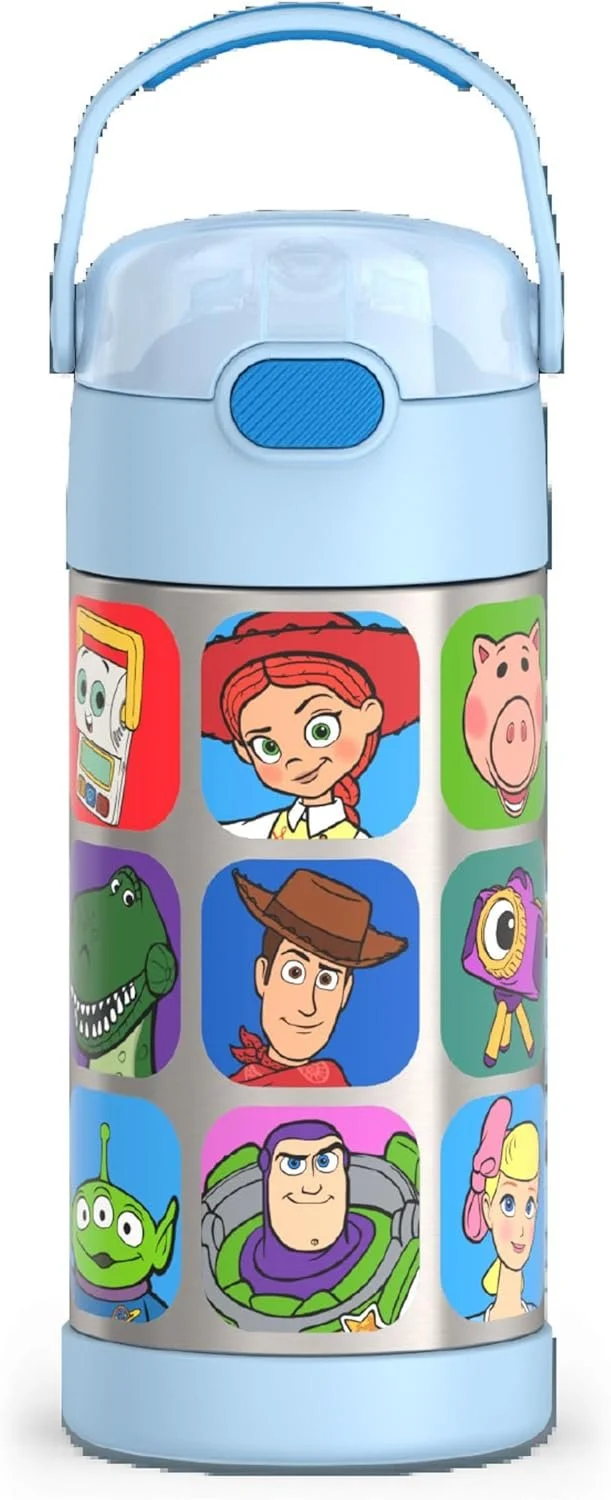
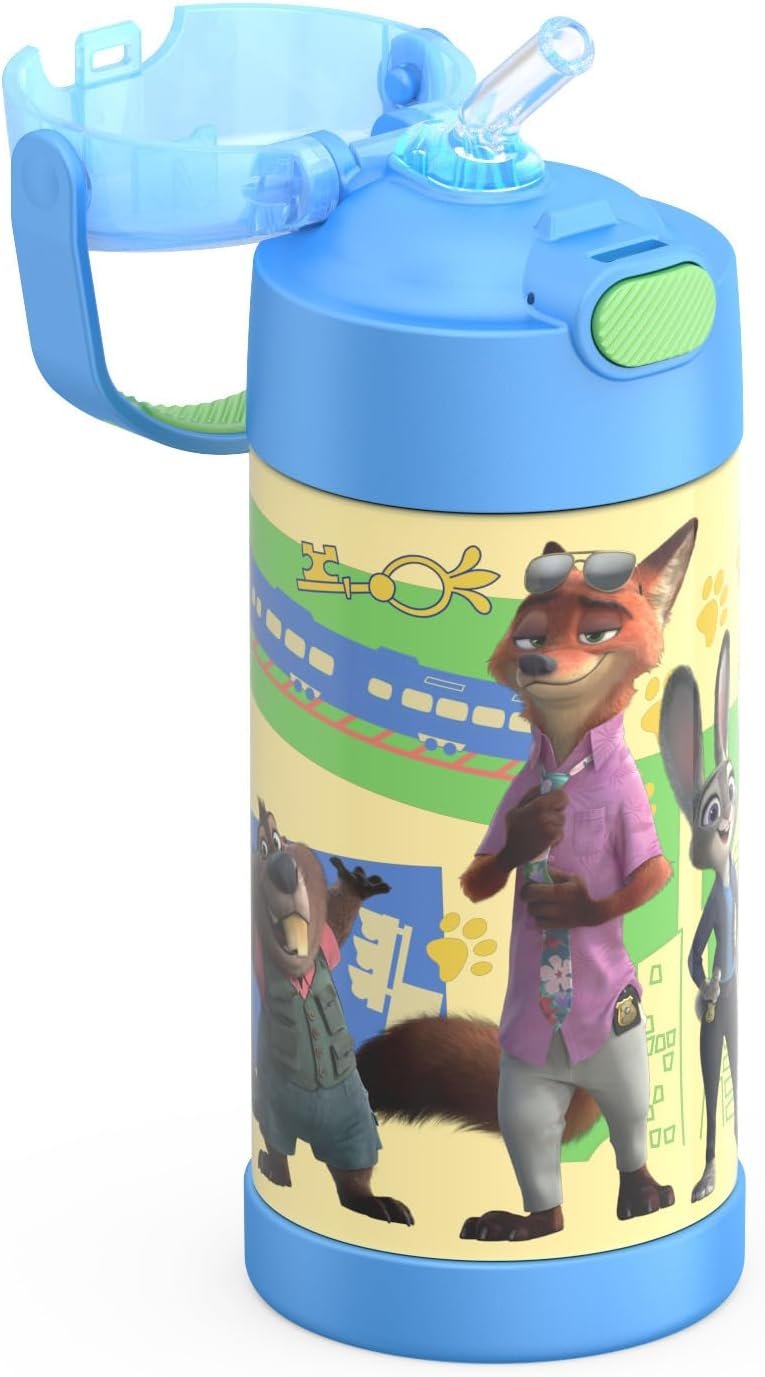
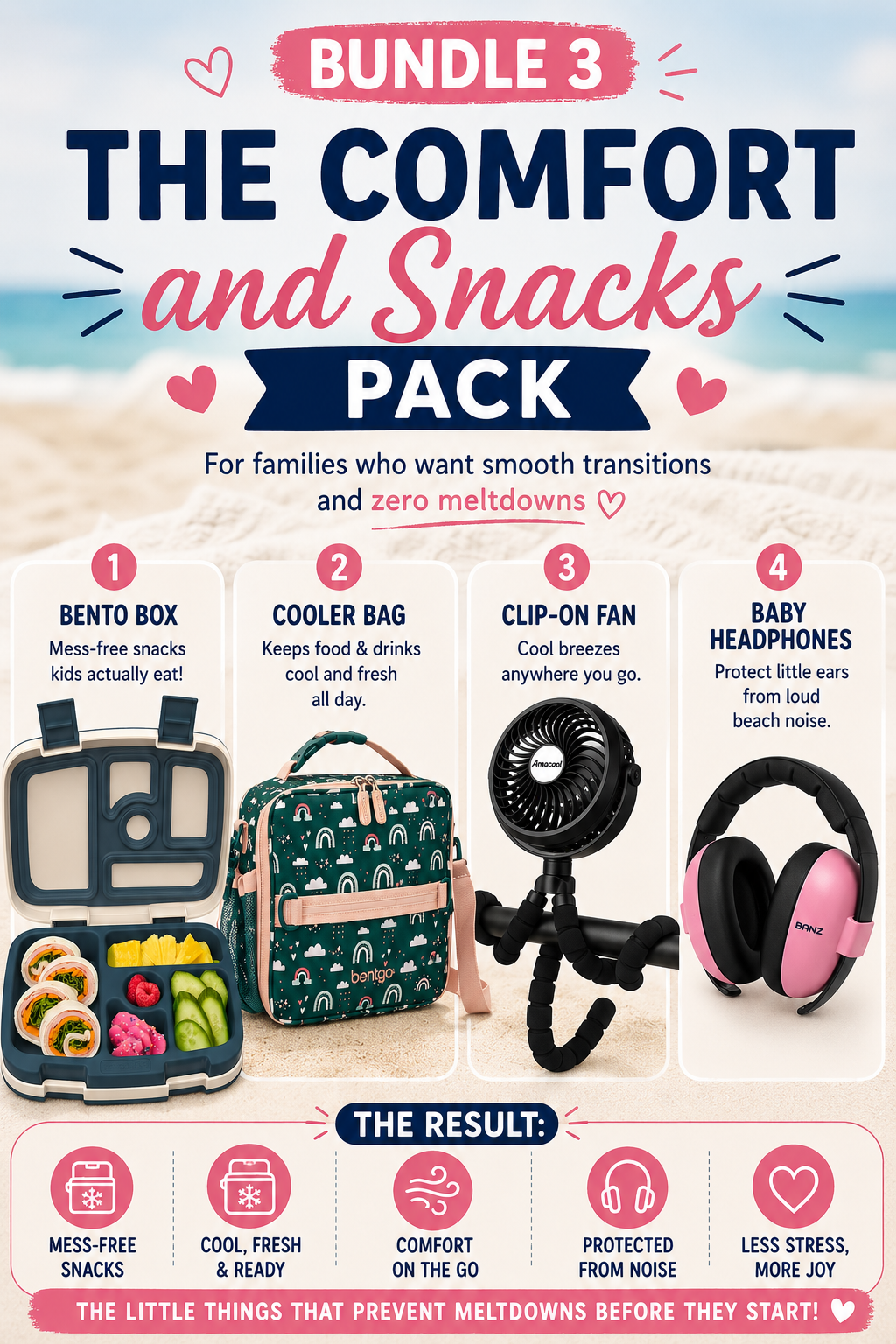
The insulated stainless steel kids water bottle is built to keep drinks cold for an extended stretch, which is useful on a beach day with no fridge nearby. The push-button lid is designed for kids to operate independently, and the covered straw helps keep sand out between sips.
Reviewers note the bottle holds up well to drops onto sand, rocks, or pavement, and it's dishwasher safe for easy cleanup once you're home.
Portioned Snacks That Survive a Beach Bag
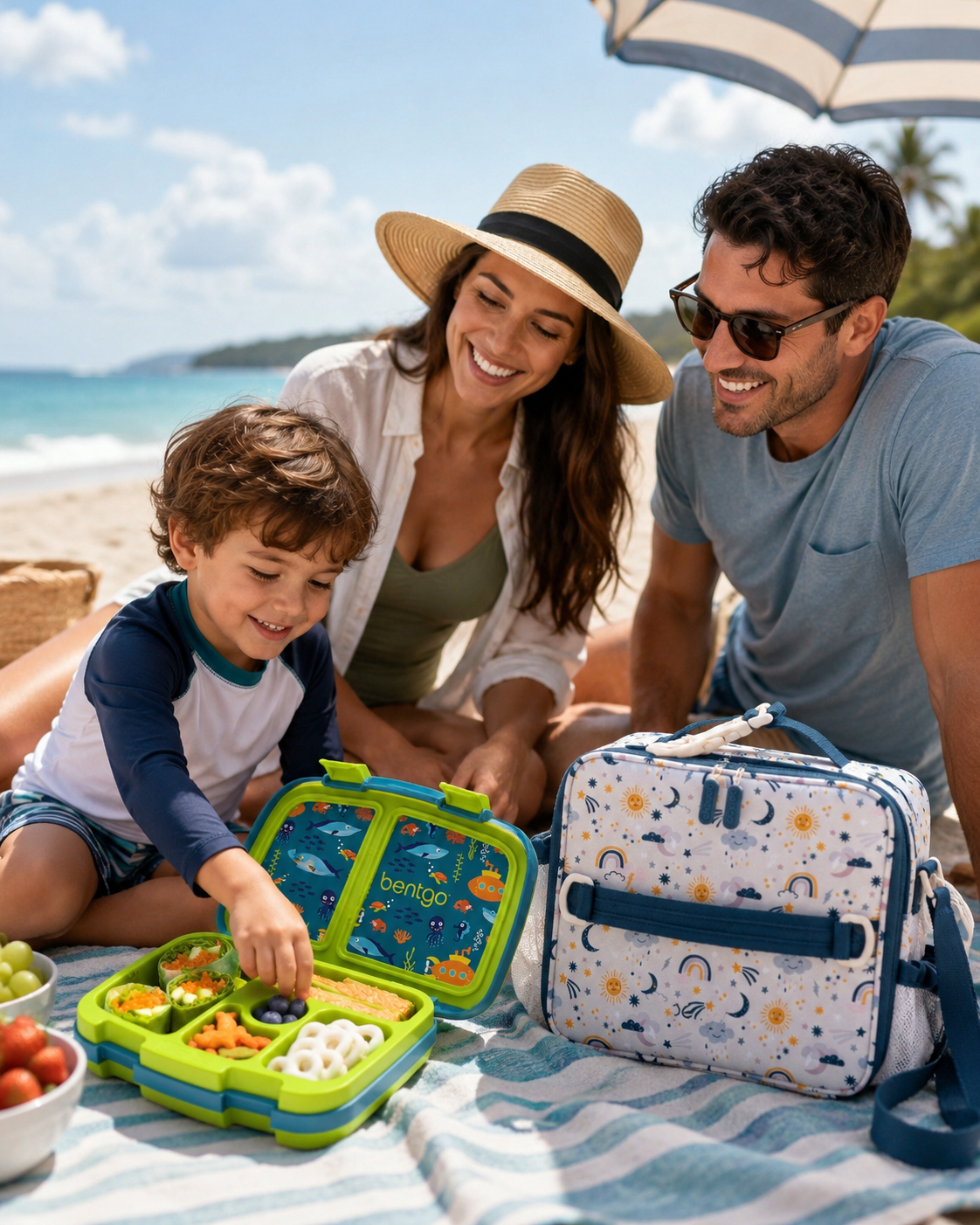
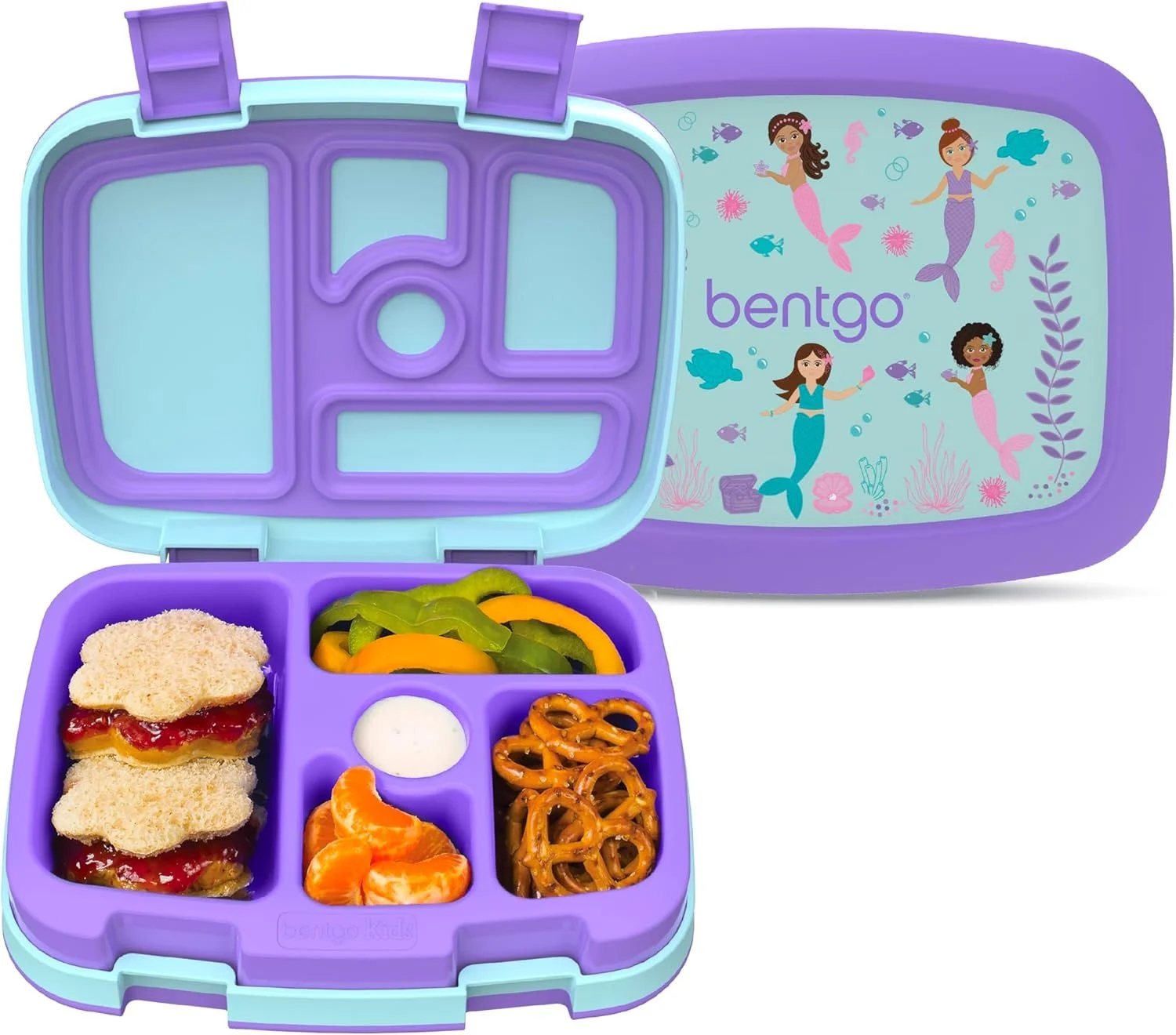
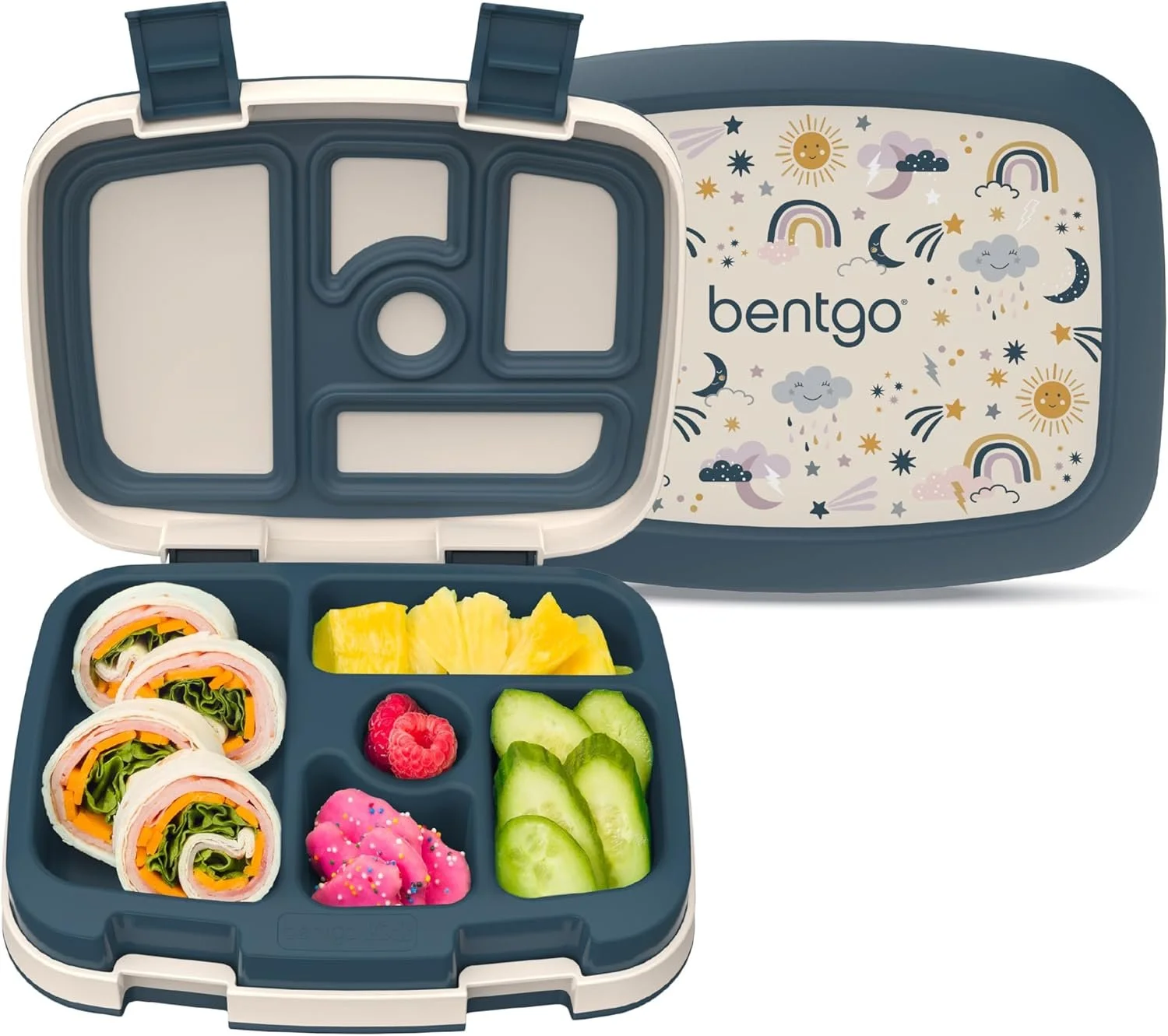
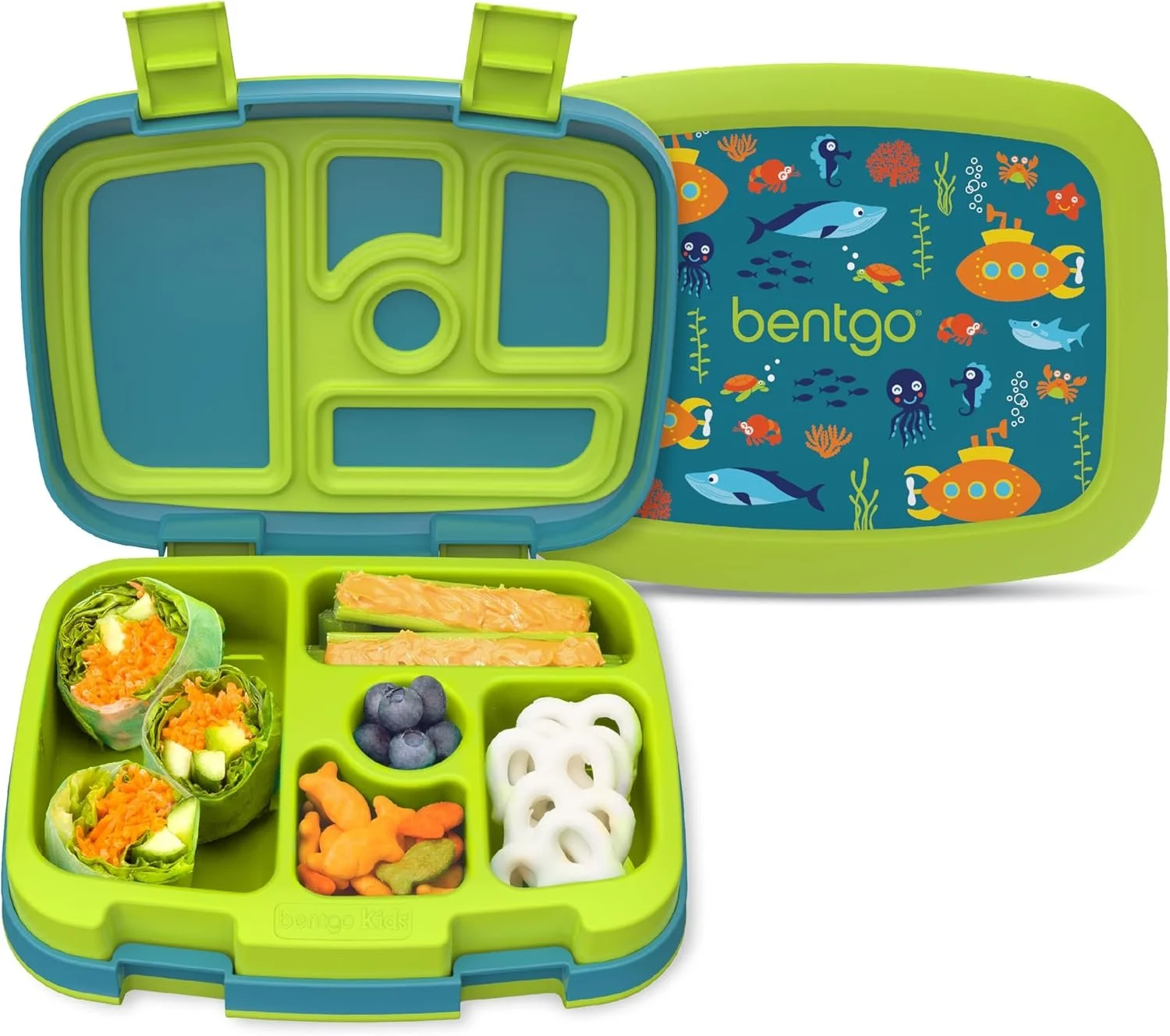
The kids bento box uses five separate compartments to keep different snacks apart, which helps with portion awareness and keeps food from turning into a mixed-together mess after being tossed in a bag. The latch system is designed for kids to open independently, and the tray is removable for dishwasher cleaning.
A Cooler Bag Sized to Carry Both
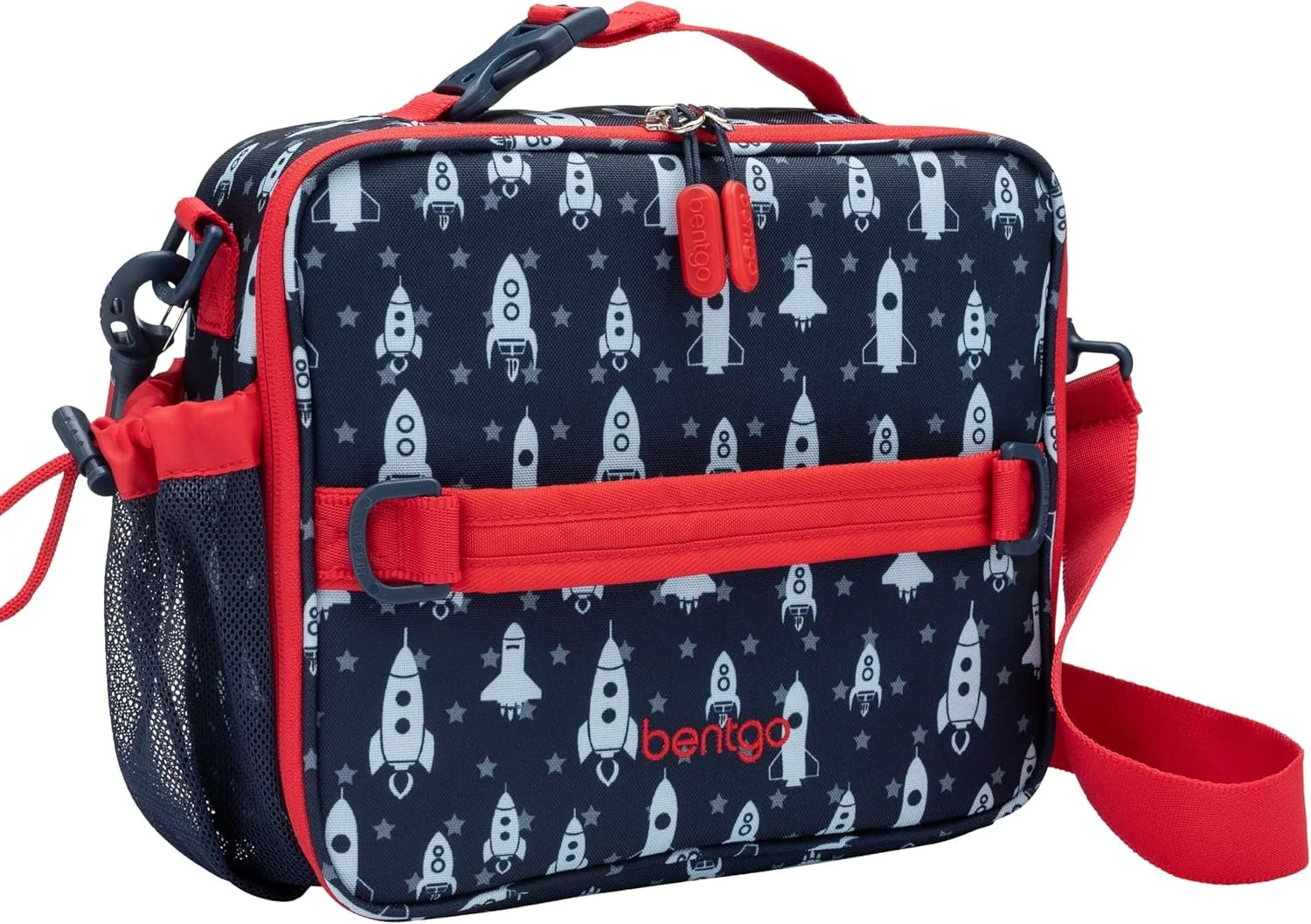
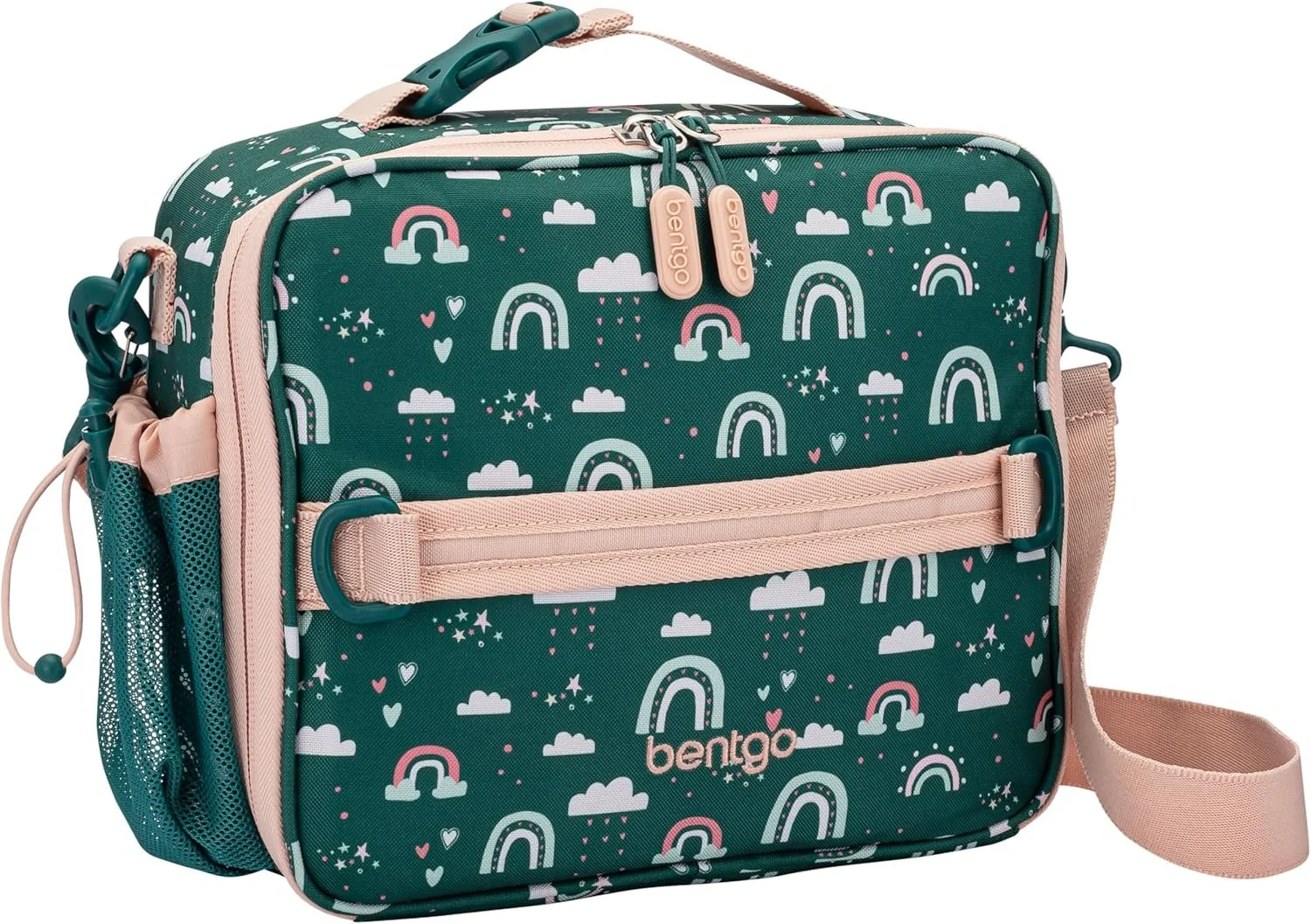
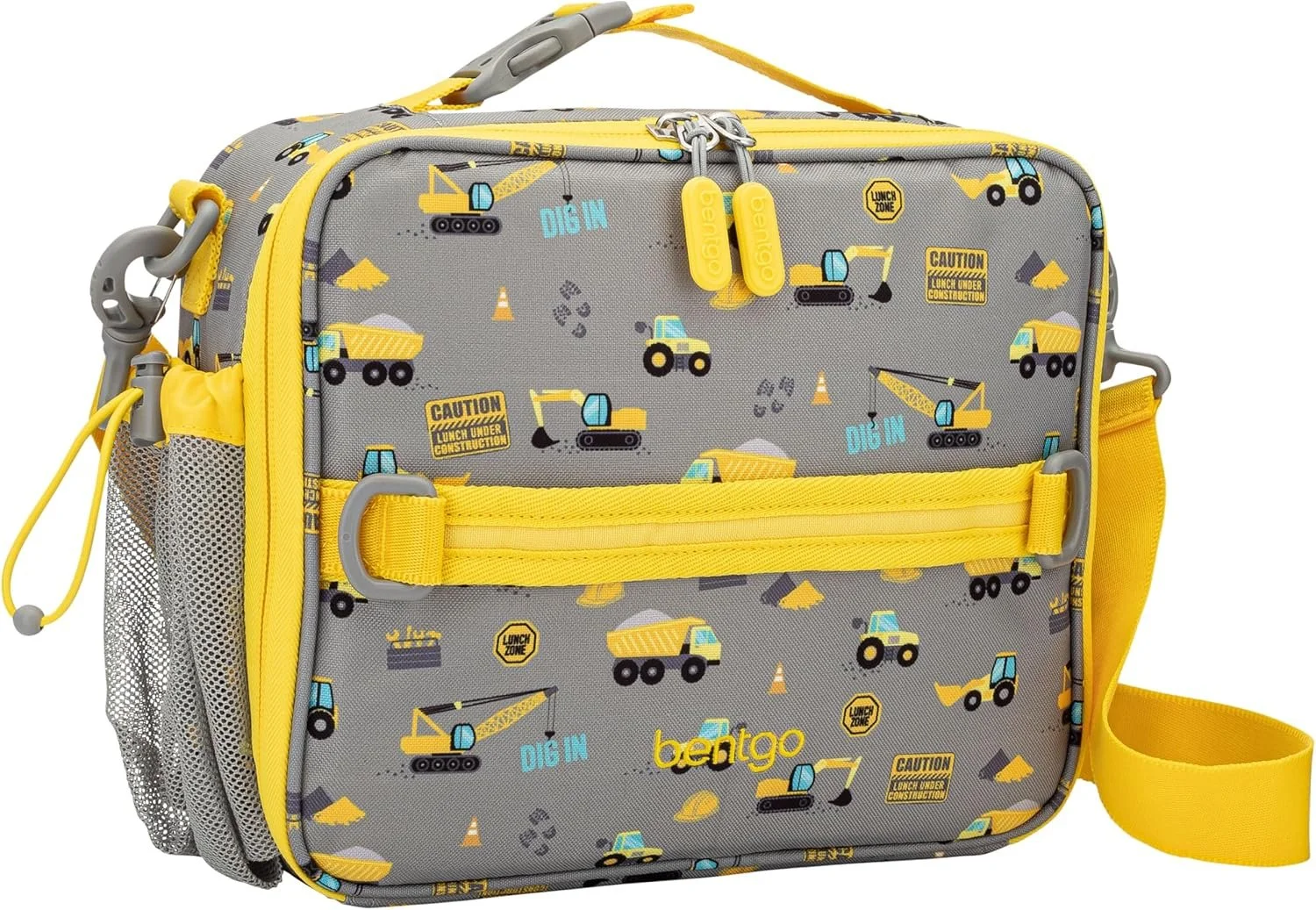
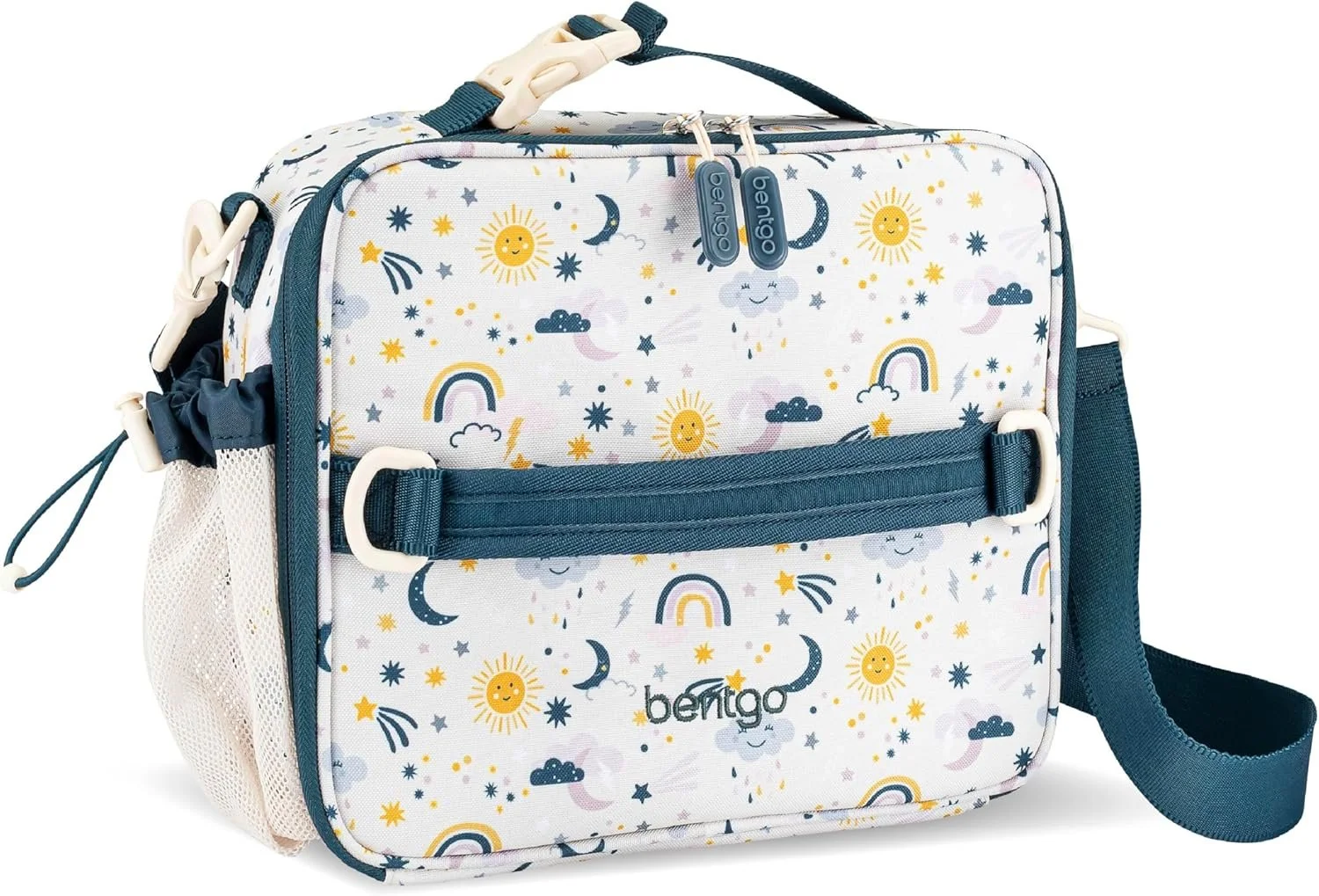
The insulated kids cooler bag (shark design) is sized to hold the bento box, the water bottle, and a few extra snacks together. It offers a padded handle, an adjustable strap, and a stroller-clip option, so it adapts to however you're actually getting to the beach that day. The wipeable interior makes post-sand cleanup faster.
If you already own a general-purpose insulated bag or lunch box at home, it's worth checking whether it's leak-proof and beach-bag-sized before buying a beach-specific one. The main advantages of a kid-specific set are the smaller portioning and the child-friendly latches, not insulation performance alone.
Best for: families who want a complete, mess-contained snack setup they can grab and go with.
Section 5: Rest and Recharge
Overtired toddlers are harder to manage than hungry ones, and beach days tend to run long. A little planning for downtime goes a long way.
A Nap Mat That Travels
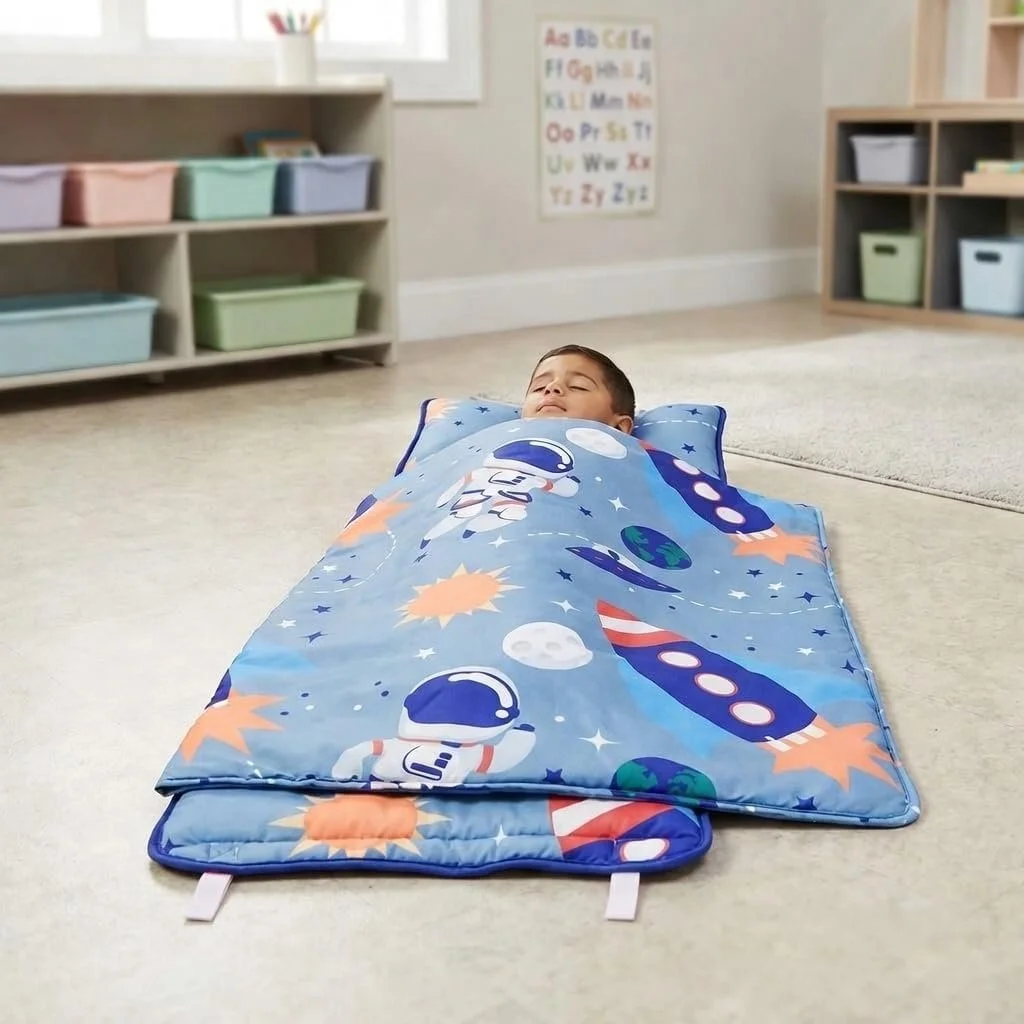
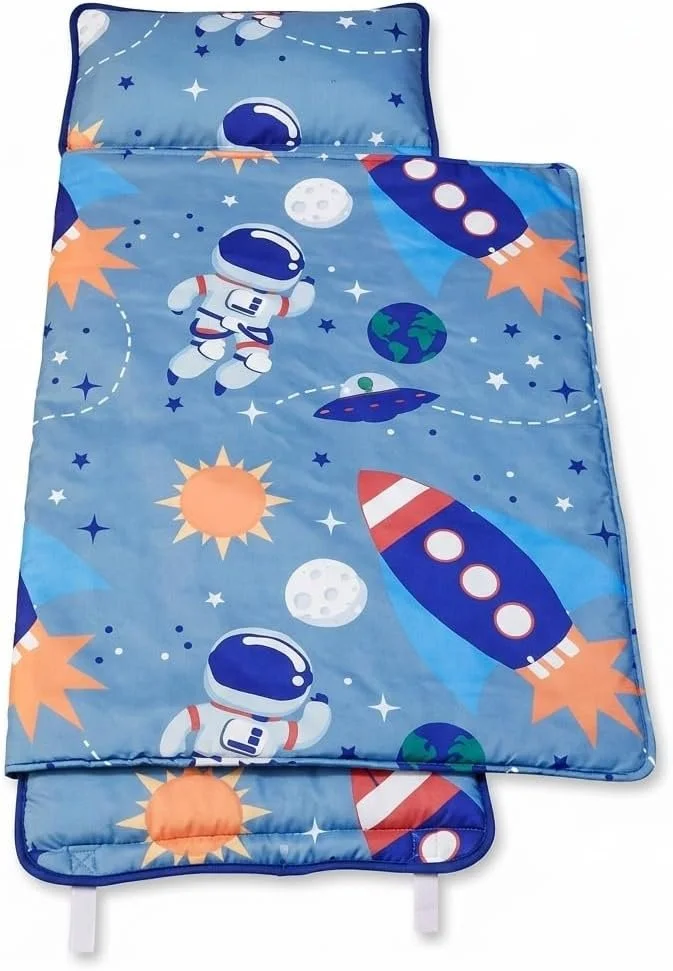
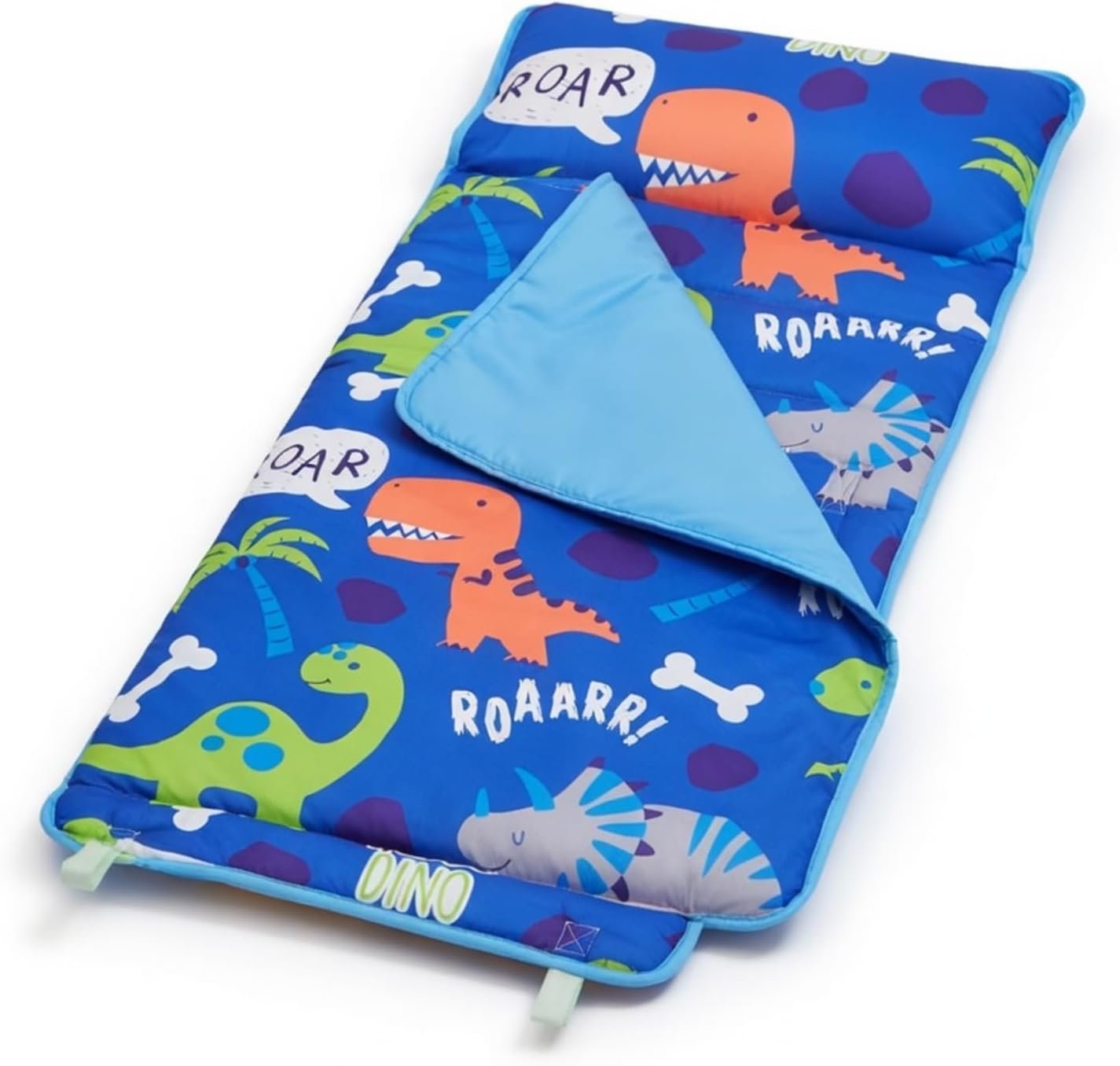
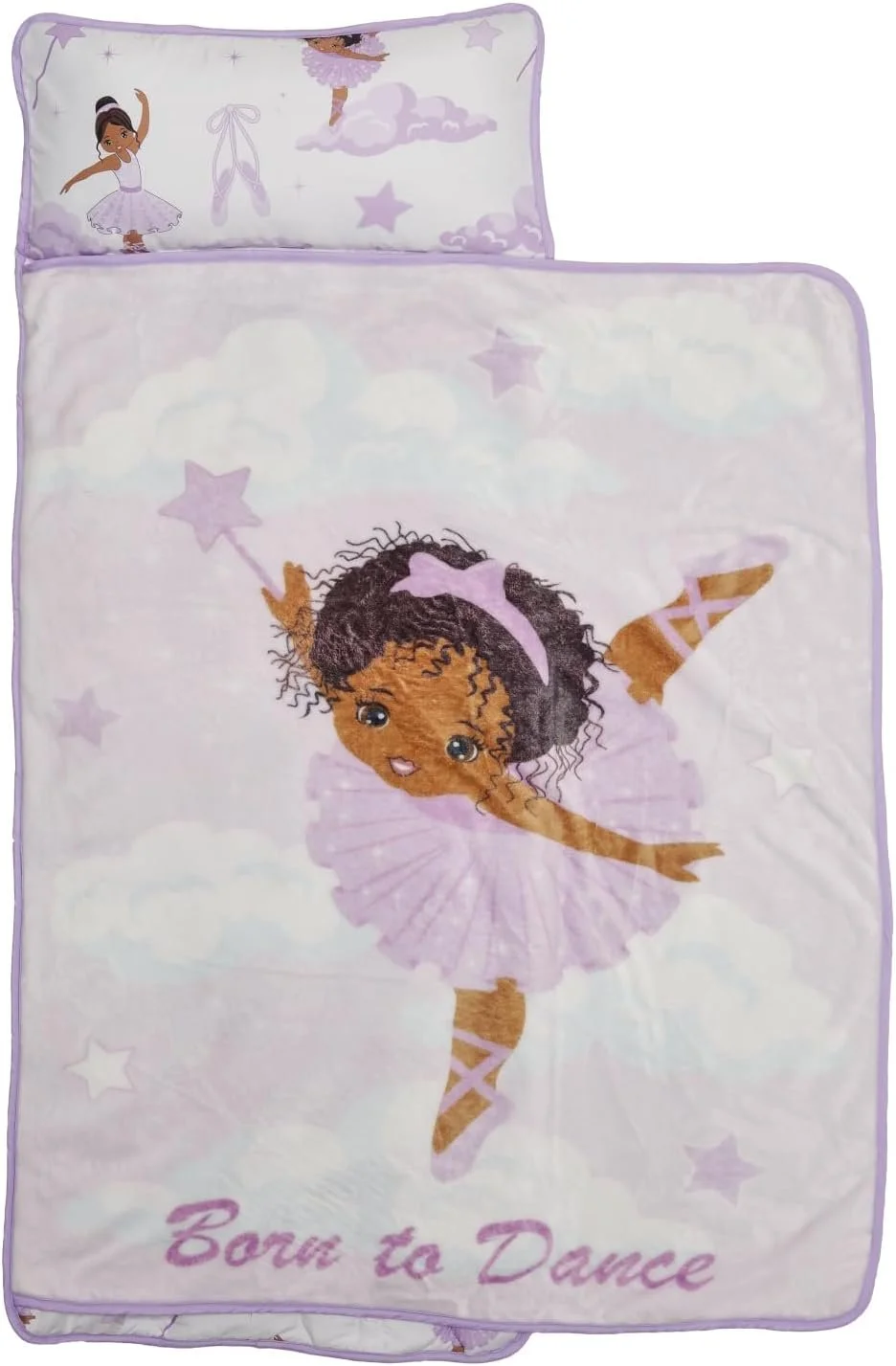
The portable toddler nap mat with pillow and blanket rolls up with a built-in handle, and reviewers report it holding up well after months of regular use. The plush microfiber material can help a toddler settle into an unfamiliar spot, like a shaded patch of beach, more easily than a bare towel would.
A rolled towel or a packable blanket works as a no-purchase alternative if a dedicated nap mat isn't in the budget; the goal is a consistent, comfortable surface your child associates with rest, and that doesn't require a specific product.
Keeping a Resting Child Cool
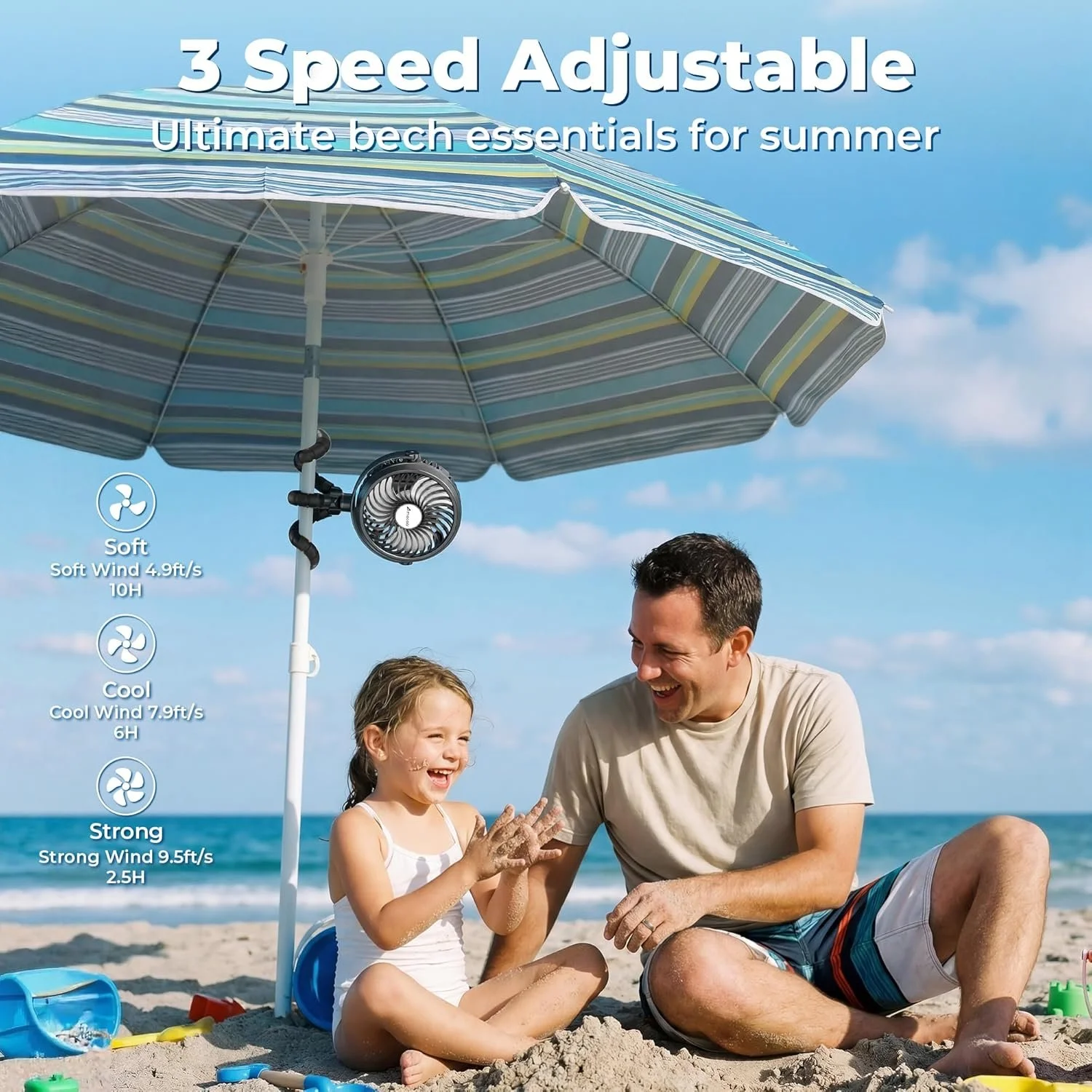
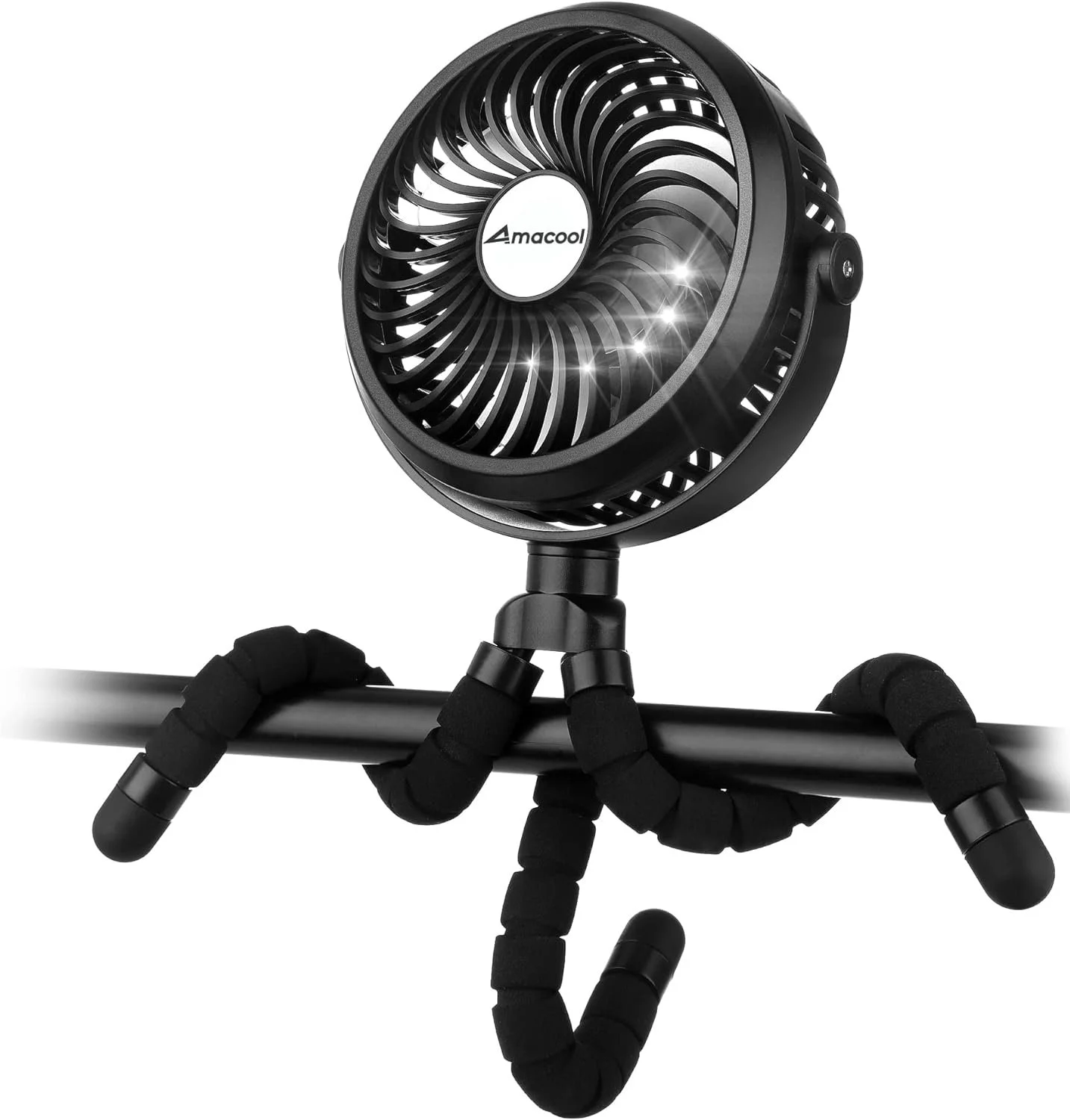
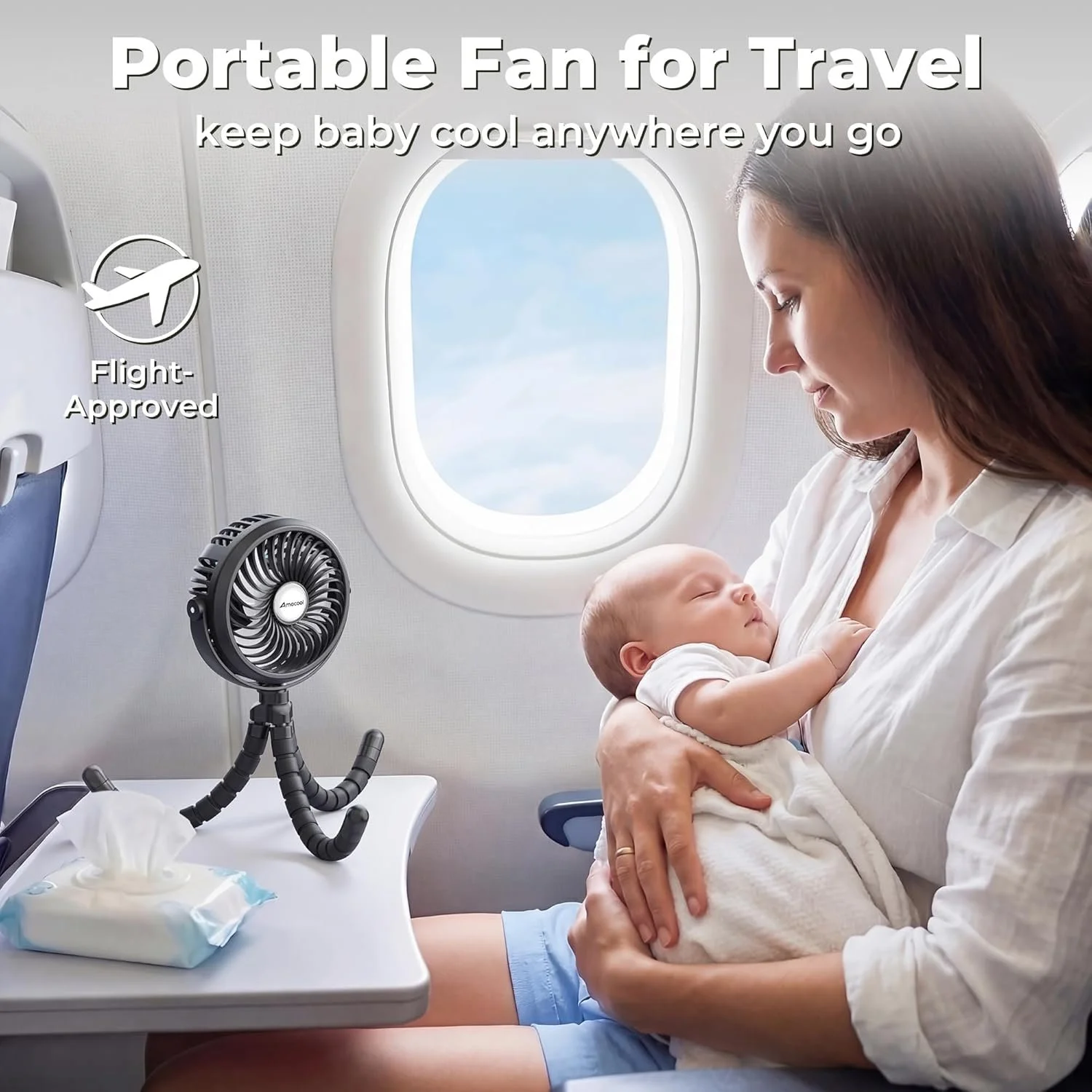
The battery-powered clip-on fan attaches to a stroller bar, umbrella pole, or beach chair, with a bendable clip and three speed settings. The rechargeable battery is rated for several hours depending on the speed used.
If you're using this near a sleeping infant, keep the fan clipped at a distance where it circulates air in the general area rather than blowing directly and continuously on the baby's face, and check the setup periodically the way you would with any fan near a young child.
If you like practical products that solve small everyday frustrations beyond beach days, these gadgets that make life easier include useful picks for home, work, organization, and daily routines.
Managing Beach Noise for Sensitive Ears
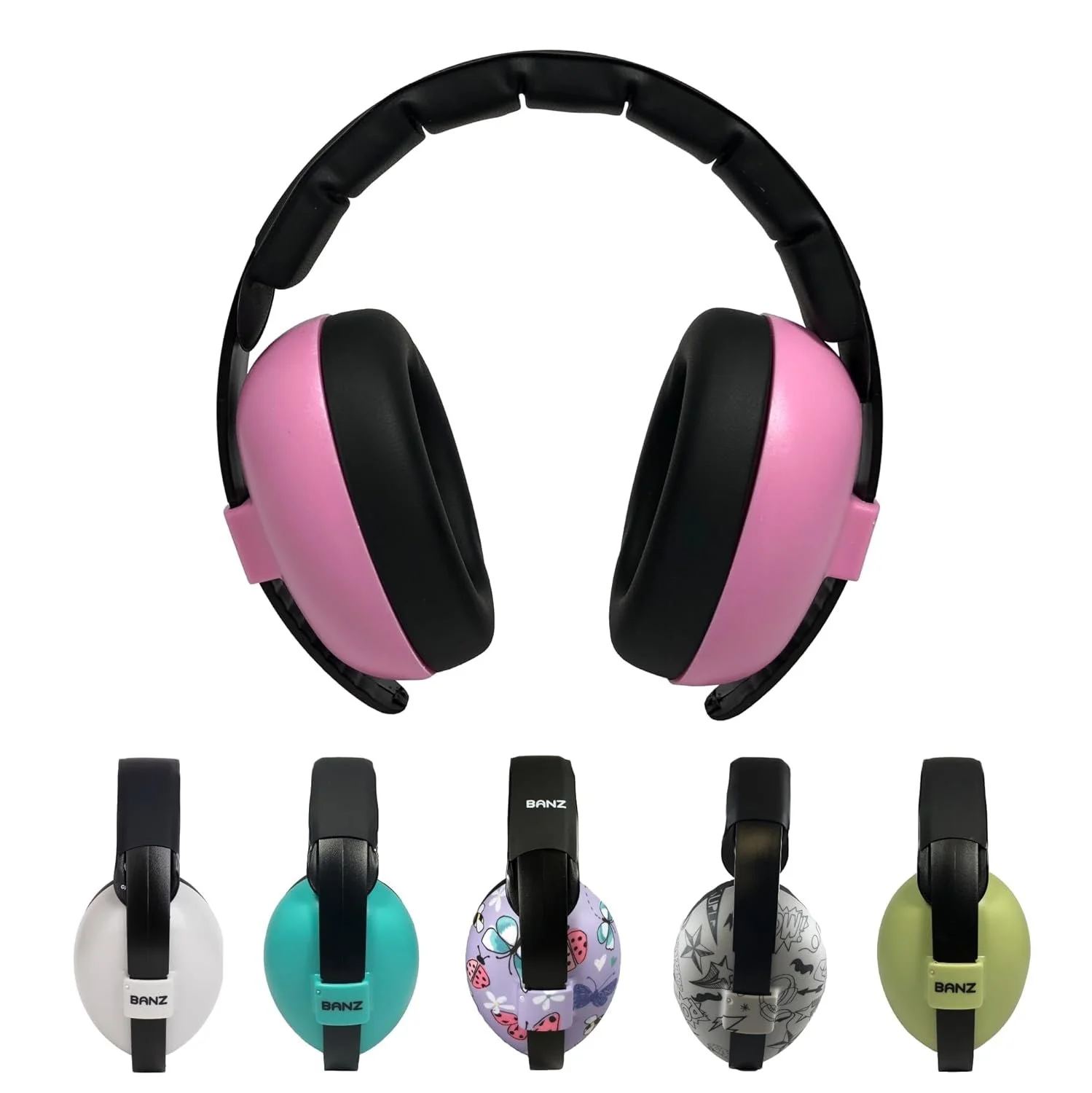
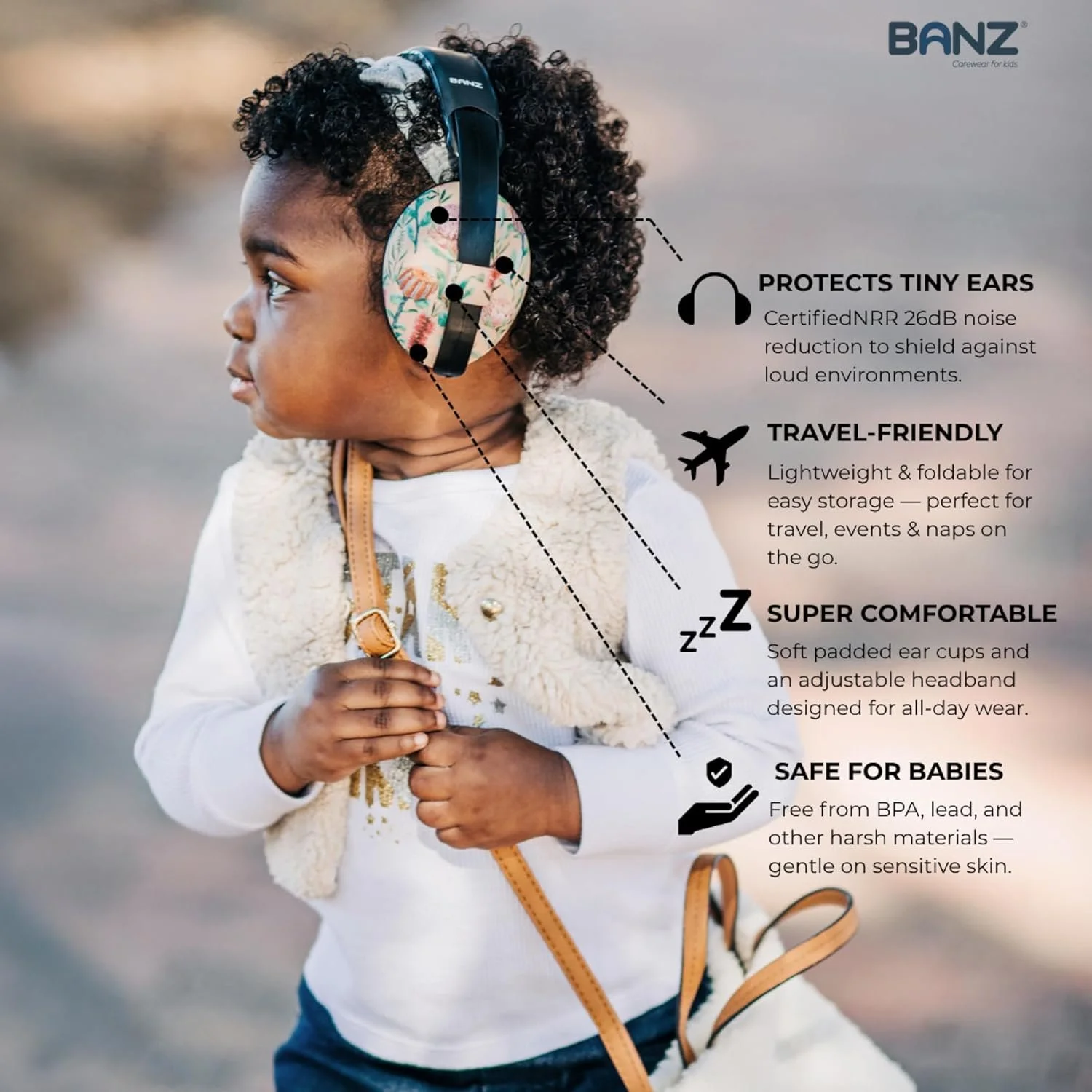
Beaches can get loud between waves, wind, and crowds, which can be genuinely overwhelming for some kids. The noise-reducing baby headphones, designed for ages 0 to 36 months, are rated to reduce noise by 26 to 31 decibels while still allowing some ambient sound through.
Ear protection products for infants should be checked for a snug but not tight fit, and used with the same general awareness you'd apply to anything worn on a baby's head, they're not intended for unsupervised or extended wear without periodically checking comfort and fit.
Best for: sensory-sensitive toddlers, or any beach day with louder-than-usual crowds or wind.
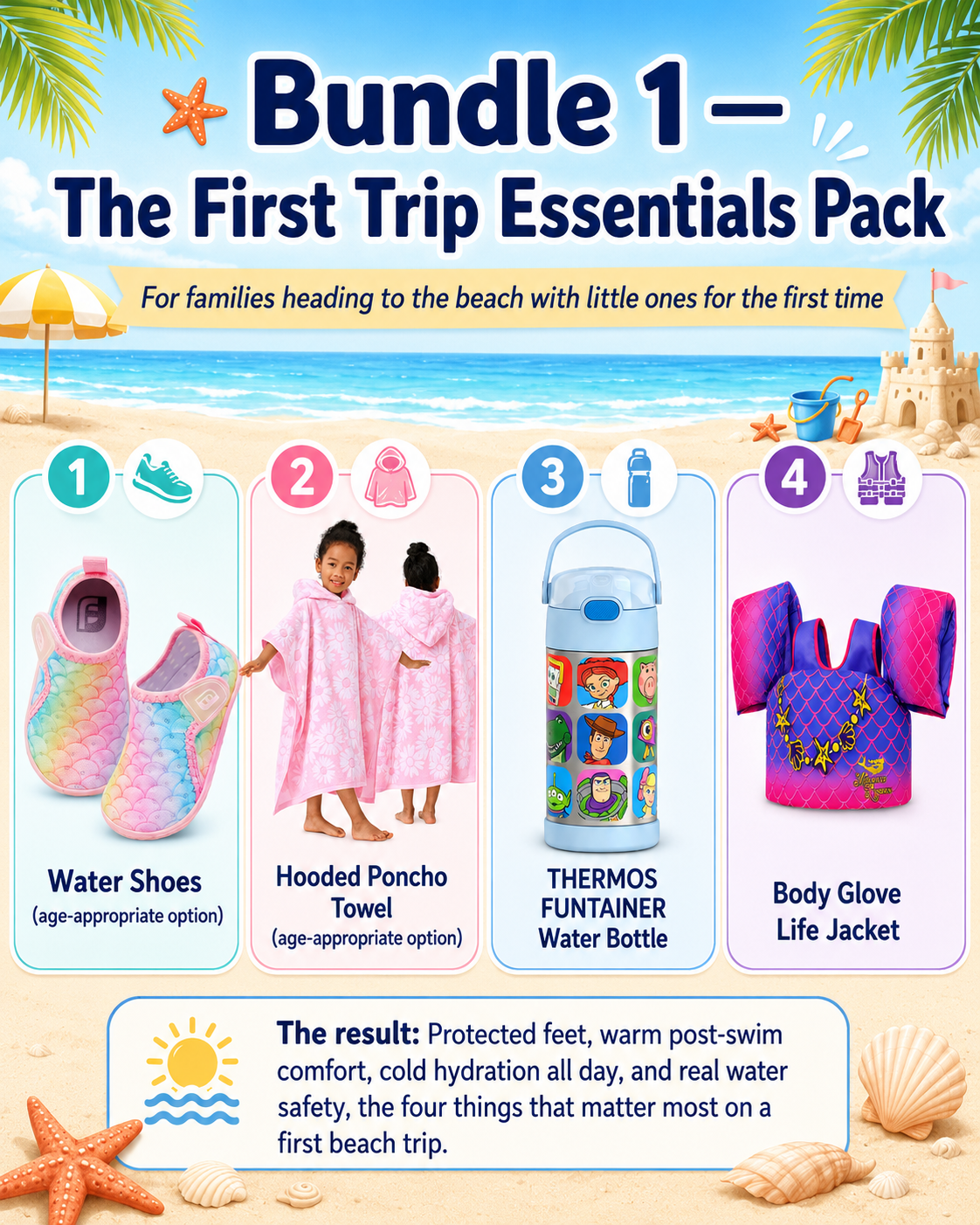
Build Your Beach Bag: Three Starter Bundles
Not sure where to start? Match your family's biggest beach day challenge to one of these:
Your Best Beach Day Is One Good Pack Away
The best family beach trips usually aren't the ones with the most gear, they're the ones where a few well-chosen items solved the predictable problems in advance: hot feet, cold shivers, hungry meltdowns, and an overtired toddler with nowhere quiet to rest.
Start with the bundle that matches your family's biggest recurring beach day challenge, and build out from there based on your kids' ages, how long you're staying, and what you already own. Not every item here will fit every family, and that's fine, the goal is a beach bag that matches your actual trip, not a checklist to complete.
